
Mr Softwash®
The Original Soft Washing Company
"The UK's K Rend & Render Cleaning Specialist"
Mr Softwash®
The Original Soft Washing Company
"The UK's K Rend & Render Cleaning Specialist"
Award-Winning
Cladding Cleaning
Specialist.
✅ 30+ years Experience
✅ 5 ⭐️ Google Reviews
✅ £5 Million Insurance
✅ Free Written Quote - No Obligation
Mr Softwash is a highly rated, professional exterior cleaning company based in Hamworthy, Poole, Dorset, specialising in advanced soft washing, K Rend cleaning, render restoration and specialist exterior surface treatments.
Founded and operated by Steve Taylor, who brings over 30 years of industry experience, Mr Softwash combines extensive technical knowledge with modern cleaning methods to deliver safe, effective and long-lasting results.
Specialising in low-pressure soft washing and non-abrasive cleaning techniques, Mr Softwash provides a professional alternative to traditional high-pressure jet washing, helping to remove algae, mould, moss, lichen, black staining and other organic contamination while protecting delicate exterior surfaces.
Serving residential and commercial customers throughout Poole, Bournemouth, Christchurch, Dorset, Hampshire and Wiltshire, Mr Softwash is committed to delivering exceptional workmanship, reliable service and specialist exterior cleaning solutions tailored to each property's individual requirements.
What can be softwashed?
Because of its gentle approach, softwashing is suitable for a wide range of surfaces that could be damaged by high-pressure cleaning. These include:
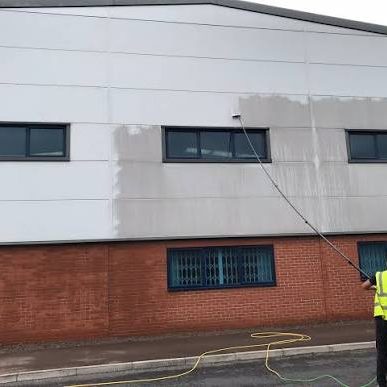
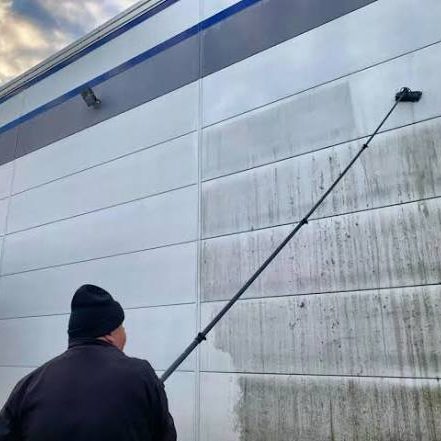
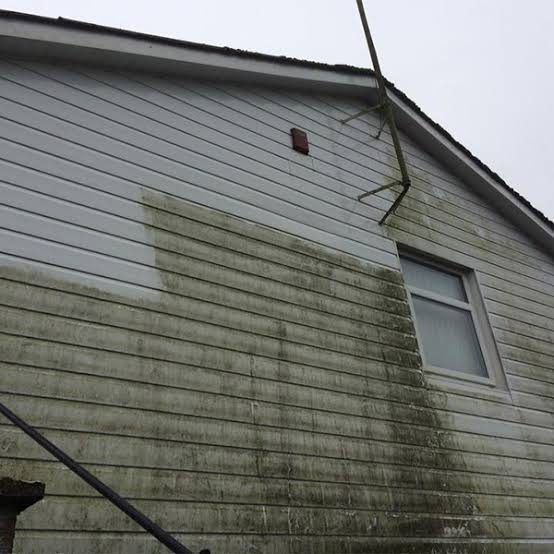

Mr Softwash®
Professional Softwash Cladding Cleaning
The Complete Guide to Cladding Cleaning
How to Clean, Restore and Maintain Exterior Cladding
Exterior cladding is widely used on residential, commercial and industrial buildings throughout the UK. It provides an attractive exterior finish while helping protect buildings from the elements.
However, exposure to the British climate means that cladding can gradually become covered in algae, mould, mildew, dirt, atmospheric pollution and other organic contamination.
Without appropriate maintenance, these deposits can leave exterior surfaces looking tired, stained and discoloured.
Professional cladding cleaning can help restore the appearance of exterior surfaces, remove biological contamination and maintain the condition of the building.
At Mr Softwash, we specialise in exterior cleaning techniques, including soft washing and carefully controlled pressure washing, across Poole, Bournemouth, Christchurch, Dorset and Hampshire.
This comprehensive guide explains everything you need to know about cladding cleaning, including different cladding materials, cleaning methods, common problems, maintenance requirements and the advantages of professional exterior cleaning.
1. What Is Exterior Cladding?
Exterior cladding is a protective or decorative layer installed on the outside of a building.
Cladding systems are available in numerous materials, colours, finishes and designs.
They are commonly installed on:
Residential houses
Apartment buildings
Commercial offices
Retail premises
Industrial buildings
Warehouses
Schools
Hotels
Agricultural buildings
Garden rooms and outbuildings
Different cladding materials have different cleaning and maintenance requirements.
Understanding the type of cladding installed is essential before choosing an appropriate cleaning method.
Common Types of Exterior Cladding
The most frequently encountered materials include:
UPVC cladding
Composite cladding
Timber cladding
Metal cladding
Aluminium cladding
Steel cladding
Fibre cement cladding
High-pressure laminate (HPL) cladding
Stone cladding
Brick slip cladding
Each material reacts differently to cleaning chemicals, pressure and environmental conditions.
There is no single cleaning method suitable for every cladding system.
2. Why Does Exterior Cladding Become Dirty?
Exterior cladding is continuously exposed to the environment.
Over time, airborne contaminants accumulate on the surface, particularly in areas exposed to moisture, shade and pollution.
Algae Growth
Green algae are among the most common forms of contamination found on exterior cladding.
Algae thrive in damp environments and are particularly common on north-facing elevations, shaded walls and areas surrounded by trees.
Typical signs include:
Green staining
Slippery biological deposits
Uneven surface discolouration
Green streaks beneath joints and architectural features
Algae growth is especially common in the damp British climate.
Mould and Mildew
Mould and mildew can develop where moisture persists on exterior surfaces.
They may appear as dark patches, spots or irregular staining.
Some dark deposits may instead be algae, lichen or atmospheric contamination, so identifying the cause is important.
Atmospheric Pollution
Buildings near busy roads, commercial premises and industrial areas are particularly vulnerable to pollution deposits.
Airborne particles can settle on cladding and gradually create dark streaks or an overall dull appearance.
Lichen
Lichen is a biological growth formed through a symbiotic relationship between fungi and photosynthetic organisms.
It can appear as:
White or grey patches
Yellow or orange deposits
Green crust-like growth
Small circular colonies
Lichen can be difficult to remove without damaging sensitive cladding finishes.
Dirt and Dust
Windborne dust, soil particles and other debris gradually accumulate on cladding.
Rainwater can then carry these deposits down the building, creating visible streaks.
Coastal Salt Deposits
Properties in coastal locations such as Poole, Bournemouth and Christchurch may experience salt deposits carried by sea air.
Salt contamination can be particularly important on metal cladding, fixings and coated architectural finishes.
Regular appropriate cleaning can help reduce surface contamination and support ongoing maintenance.
3. How to Clean UPVC Cladding
UPVC Cladding Cleaning Guide
UPVC cladding is popular throughout the UK because it is lightweight, weather-resistant and relatively low maintenance.
It is commonly installed on:
Residential houses
Dormer extensions
Gable ends
Fascias and soffits
Garden buildings
Exterior wall elevations
Although UPVC requires relatively little maintenance, it can still become covered in algae, mould, dirt and pollution.
Common UPVC Cladding Problems
Green algae staining
Black atmospheric deposits
Surface dirt
Mildew
Discolouration
Dirt accumulating around joints
Best Way to Clean UPVC Cladding
For routine cleaning, a suitable mild detergent and water are often sufficient.
A typical cleaning process involves:
Inspecting the cladding for damage.
Identifying the type of contamination.
Removing loose dirt with a soft brush or gentle rinse.
Applying a manufacturer-approved cleaning solution.
Gently agitating stubborn deposits using a non-abrasive brush.
Rinsing thoroughly with clean water.
Inspecting the finished surface.
For biological contamination, an appropriate soft washing treatment may be considered where approved for the particular UPVC system.
Can You Pressure Wash UPVC Cladding?
High-pressure washing is generally not recommended for UPVC cladding.
Excessive pressure can:
Force water behind cladding panels
Damage seals and joints
Mark or scratch surfaces
Disturb loose panels
Allow moisture to enter vulnerable areas
Low-pressure cleaning is generally the safer approach for UPVC cladding.
4. How to Clean Composite Cladding
Composite Cladding Cleaning Guide
Composite cladding is manufactured using combinations of materials, often including wood fibres, polymers and additives.
Wood-plastic composite cladding is increasingly popular on modern residential and commercial buildings.
It provides the appearance of timber with different maintenance characteristics.
However, composite cladding is not completely maintenance-free.
Common Composite Cladding Problems
Algae growth
Surface mould
Dirt accumulation
Pollution staining
Water marks
Organic deposits
Best Way to Clean Composite Cladding
Cleaning should follow the manufacturer's recommendations for the specific product.
A typical process includes:
Removing loose debris.
Applying a suitable mild cleaning solution.
Using a soft-bristled brush where necessary.
Cleaning in the direction of the surface texture.
Rinsing thoroughly.
Allowing the surface to dry naturally.
Where significant biological contamination is present, specialist cleaning products may be appropriate, provided they are compatible with the cladding.
Can Composite Cladding Be Pressure Washed?
Some composite cladding manufacturers permit carefully controlled pressure washing.
Others advise against it.
Excessive pressure may damage the surface texture, protective finish or joints.
Always check the manufacturer's instructions before using pressure washing equipment.
5. How to Clean Timber Cladding
Timber Cladding Cleaning and Maintenance
Timber cladding is widely used on contemporary houses, extensions, garden rooms and commercial buildings.
Popular timber species include:
Western red cedar
Siberian larch
European larch
Douglas fir
Oak
Thermally modified timber
Treated softwood
Timber provides an attractive natural appearance but requires careful cleaning and maintenance.
Why Does Timber Cladding Change Colour?
Timber naturally weathers when exposed to sunlight, rain and atmospheric conditions.
Many timber species gradually develop a silver-grey appearance.
This natural weathering is not necessarily a sign that the timber is dirty or damaged.
However, timber may also develop:
Green algae
Surface mould
Black biological staining
Dirt deposits
Uneven discolouration
It is important to distinguish natural weathering from biological contamination.
Best Way to Clean Timber Cladding
Timber cleaning requires a gentle approach.
A suitable cleaning process may involve:
Inspecting the timber and its protective finish.
Identifying any biological contamination.
Selecting a timber-compatible cleaning product.
Applying the product according to the manufacturer's instructions.
Gently brushing where appropriate.
Rinsing carefully without saturating vulnerable areas.
Allowing the timber to dry.
Where necessary, additional timber restoration or protective treatments may be recommended.
Can You Pressure Wash Timber Cladding?
High-pressure washing can damage timber.
Potential problems include:
Raised wood grain
Splintering
Surface erosion
Water penetration
Damage to coatings
Uneven surface appearance
Some timber systems can tolerate carefully controlled washing, but pressure, distance and technique must be suitable for the wood and finish.
Gentle cleaning is normally preferable for timber cladding.
6. How to Clean Metal Cladding
Metal Cladding Cleaning Guide
Metal cladding is commonly installed on commercial, agricultural and industrial buildings.
Typical materials include:
Coated steel
Galvanised steel
Aluminium
Stainless steel
Zinc
Other architectural metal systems
Metal cladding can be highly durable, but its appearance can deteriorate when exposed to pollution, biological contamination and environmental deposits.
Common Metal Cladding Problems
Atmospheric dirt
Algae
Bird droppings
Pollution streaks
Coastal salt deposits
Surface oxidation
Coating deterioration
Best Way to Clean Metal Cladding
The cleaning method depends on the metal, protective coating and manufacturer's maintenance requirements.
A typical process includes:
Inspecting the panels and protective coating.
Identifying the metal and finish.
Removing loose debris.
Applying an approved non-abrasive cleaning product.
Gently cleaning the surface.
Rinsing thoroughly.
Inspecting joints, fixings and drainage details.
Cleaning products must be compatible with the metal and coating.
Certain chemicals can cause corrosion, staining or permanent surface damage.
Can Metal Cladding Be Pressure Washed?
Some metal cladding systems can tolerate controlled pressure washing.
However, excessive pressure can damage protective coatings or force water into panel joints.
Pressure washing should only be used where permitted by the cladding manufacturer and appropriate for the building.
7. How to Clean Aluminium Cladding
Aluminium cladding is frequently used on modern commercial and residential buildings.
It is valued for its lightweight construction, durability and architectural appearance.
Many aluminium cladding systems feature powder-coated or anodised finishes.
These finishes require appropriate maintenance.
Common Aluminium Cladding Contamination
Dirt
Traffic pollution
Salt deposits
Algae
Water streaks
Bird droppings
Aluminium Cladding Cleaning Methods
Routine cleaning generally involves:
A soft cloth, sponge or non-abrasive brush
A suitable mild detergent
Clean water
Gentle rinsing
Thorough removal of cleaning residues
Strong alkaline cleaners, acidic products and abrasive materials may damage certain aluminium finishes.
Always follow the coating manufacturer's guidance.
Special care is required when cleaning powder-coated and anodised aluminium.
8. How to Clean Fibre Cement Cladding
Fibre cement cladding is widely used on residential and commercial buildings.
It is manufactured using cement-based materials reinforced with fibres.
Many products have factory-applied painted or protective finishes.
Common Fibre Cement Cladding Problems
Algae
Surface mould
Dirt
Pollution deposits
Staining around joints
Organic contamination
Best Cleaning Method
Cleaning should follow the specific manufacturer's instructions.
Depending on the product, this may involve:
Removing loose surface dirt.
Applying a suitable mild detergent.
Gently cleaning with a soft brush or sponge.
Rinsing with clean water.
Avoiding damage to painted finishes and joints.
High-pressure washing and aggressive chemical cleaning should be avoided unless expressly permitted by the manufacturer.
Older fibre cement products may contain asbestos. If the material is unidentified or asbestos is suspected, do not brush, pressure wash, abrade or disturb it. Obtain appropriate professional assessment before cleaning.
9. How to Clean HPL Cladding
High-pressure laminate, commonly known as HPL, is frequently used on contemporary buildings.
HPL panels are manufactured using layers of material bonded under heat and pressure.
They are available in numerous colours and decorative finishes.
Common HPL Cladding Problems
Surface dirt
Algae
Pollution
Water marks
Bird droppings
General weathering deposits
Best Way to Clean HPL Cladding
Routine cleaning usually involves a suitable mild detergent, water and non-abrasive cleaning equipment.
A typical process includes:
Removing loose debris.
Applying an approved cleaning solution.
Cleaning gently with a soft cloth or sponge.
Rinsing thoroughly.
Inspecting the surface.
Avoid abrasive pads and aggressive chemicals that could damage decorative finishes.
Some HPL products have specific restrictions on cleaning agents, so manufacturer guidance is essential.
10. What Is Soft Washing?
Soft Washing for Exterior Cladding
Soft washing is an exterior cleaning method that combines low-pressure application with suitable cleaning solutions.
Unlike conventional pressure washing, soft washing does not rely primarily on high water pressure to remove contamination.
Instead, the cleaning solution helps break down or control biological deposits such as algae and mould.
The surface is then rinsed or otherwise treated according to the product instructions and cleaning specification.
Benefits of Soft Washing Cladding
When suitable for the material, soft washing offers several advantages.
Lower mechanical pressure
Soft washing reduces the reliance on forceful water jets.
Biological contamination treatment
Appropriate cleaning products can help remove or control algae and other biological growth.
Suitable for sensitive surfaces
Some cladding materials benefit from low-pressure techniques.
Improved exterior appearance
Removing biological staining and surface deposits can significantly improve the appearance of a building.
Reduced risk of surface erosion
Using lower pressure can reduce mechanical damage compared with aggressive pressure washing.
However, low pressure does not automatically make a treatment safe.
The cleaning chemistry must also be compatible with the cladding, coatings, seals and surrounding materials.
11. Soft Washing vs Pressure Washing Cladding
Two common exterior cleaning techniques are soft washing and pressure washing.
Although both can remove dirt and contamination, they work differently.
Feature
Soft Washing
Pressure Washing
Main cleaning action
Cleaning solutions with low pressure
Mechanical force from water
Water pressure
Low
Variable, often high
Biological contamination
Can be treated using appropriate products
May remove visible deposits
UPVC cladding
Often suitable with compatible chemistry
High pressure generally unsuitable
Composite cladding
Depends on product compatibility
Manufacturer-dependent
Timber cladding
Specialist low-pressure methods may be suitable
High pressure can damage timber
Metal cladding
Depends on coating and chemistry
Controlled pressure may be permitted
Fibre cement
Manufacturer-dependent
Often restricted
Main consideration
Chemical compatibility
Pressure and water ingress
Which Method Is Better?
Neither method is universally better.
The most appropriate cleaning method depends on:
Cladding material
Surface condition
Manufacturer's instructions
Type of contamination
Protective coatings
Building construction
Access requirements
At Mr Softwash, we believe exterior cleaning methods should be selected according to the surface rather than relying on one technique for every application.
12. Can You Pressure Wash Exterior Cladding?
One of the most frequently asked questions about cladding maintenance is whether exterior cladding can be pressure washed.
The answer depends on the material and construction.
High-pressure washing can create several risks.
Water Penetration
Cladding systems often incorporate joints, ventilation openings, drainage channels and other construction details.
Excessive pressure can force water into areas not designed to withstand direct high-pressure jets.
Surface Damage
Pressure washing may damage:
Protective coatings
Timber fibres
Decorative finishes
Panel edges
Surface textures
Seals and joints
Coating Removal
Painted, powder-coated and factory-finished cladding may be vulnerable to aggressive cleaning.
Uneven Cleaning
Excessive pressure can produce visible cleaning lines or inconsistent surface finishes.
Before pressure washing any cladding, identify the product and check the manufacturer's cleaning instructions.
13. How to Remove Green Algae from Cladding
Green algae are one of the most common reasons homeowners and businesses require exterior cladding cleaning.
Algae often appear on shaded or damp elevations.
Why Does Algae Grow on Cladding?
Algae growth is encouraged by:
Persistent moisture
Limited sunlight
Shaded elevations
Nearby vegetation
Poor surface drying
Dirt accumulation
How Is Algae Removed?
The most suitable method depends on the cladding material.
A professional cleaning process may include:
Identifying the cladding material.
Assessing the extent of algae growth.
Selecting a compatible cleaning treatment.
Protecting surrounding materials and vegetation.
Applying the cleaning product according to its instructions.
Allowing the specified contact time.
Gently removing deposits where necessary.
Rinsing if required.
Inspecting the surface.
Suitable biocidal treatments may help control biological contamination, but must be authorised for the intended use and applied according to the label.
How Can Algae Regrowth Be Reduced?
Algae can return because spores and environmental contamination are continuously present outdoors.
Regular inspections, suitable maintenance cleaning and improvements to drainage or moisture conditions can help reduce recurring problems.
14. How to Remove Black Stains from Cladding
Black staining can be particularly noticeable on white and light-coloured cladding.
However, not all black stains have the same cause.
Possible sources include:
Dark algae
Fungal growth
Atmospheric pollution
Traffic deposits
Water runoff
Metal corrosion
Surface coating deterioration
Why Is Identifying the Stain Important?
Different stains require different treatments.
For example, a biological cleaning product may help remove algae but may have little effect on staining caused by metal corrosion.
Likewise, aggressive chemical treatments may damage the cladding without removing the underlying cause.
Professional cleaning should begin with an assessment of the stain and cladding material.
15. How to Clean White Cladding
White cladding is popular on residential buildings because it provides a bright, modern appearance.
Unfortunately, dirt and biological staining are particularly visible on light-coloured surfaces.
Common problems include:
Green algae
Black streaks
Grey pollution deposits
Yellowing
Dirt around joints
Best Way to Clean White Cladding
A suitable cleaning method should:
Remove surface dirt
Treat biological contamination where appropriate
Protect the original finish
Avoid abrasive damage
Prevent chemical staining
It is important to recognise that some discolouration may be caused by ageing, ultraviolet exposure or deterioration of the original finish.
Cleaning cannot always reverse these changes.
16. How to Clean Commercial and Industrial Cladding
Commercial and industrial buildings often have large areas of metal or composite cladding.
These surfaces may accumulate significant amounts of pollution, dust and biological contamination.
Typical buildings include:
Warehouses
Factories
Distribution centres
Agricultural buildings
Retail units
Commercial offices
Industrial premises
Commercial Cladding Cleaning Considerations
Large-scale cleaning projects require additional planning.
Important factors include:
Building height
Suitable access equipment and safe working methods may be required.
Cladding type
The cleaning method must be compatible with the installed system.
Water management
Cleaning runoff must be controlled to prevent environmental contamination.
Site operations
Cleaning may need to be scheduled around staff, customers, vehicles and deliveries.
Health and safety
Appropriate risk assessments, access planning and safe working procedures are essential.
Professional cleaning can help maintain the appearance of commercial premises and support planned building maintenance.
17. What Chemicals Are Used to Clean Cladding?
Cladding cleaning products vary depending on the surface material and contamination.
Common categories include:
Mild Detergents
Suitable for removing general dirt and light atmospheric deposits from compatible surfaces.
Surfactant-Based Cleaners
Surfactants help loosen and lift dirt from exterior surfaces.
Specialist Biological Cleaning Products
Certain products are designed to remove or control algae, mould and other biological contamination.
Specialist Stain Removers
Specific products may be required for certain mineral, rust or pollution stains.
Important Chemical Safety Considerations
Not every cleaning product is suitable for every cladding material.
Some chemicals can damage:
Aluminium
Galvanised steel
Powder coatings
Timber finishes
Decorative laminates
Seals
Surrounding vegetation
Never mix cleaning chemicals, particularly chlorine-based products with acids or ammonia.
Cleaning products should be selected using manufacturer guidance, safety information and the relevant product label.
In the UK, biocidal products must comply with applicable regulatory requirements.
Professional cleaning should also include suitable controls for chemical runoff and environmental protection.
18. How Often Should Exterior Cladding Be Cleaned?
There is no universal cleaning interval for every building.
The frequency depends on the cladding material, environment and manufacturer recommendations.
As a general maintenance guide:
Cladding type
Suggested inspection and maintenance approach
UPVC
Inspect annually; clean as required
Composite
Inspect annually; follow manufacturer guidance
Timber
Inspect at least annually; maintain coatings as specified
Metal
Inspect regularly; clean according to coating requirements
Aluminium
Follow finish manufacturer's cleaning schedule
Fibre cement
Inspect annually; clean using approved methods
HPL
Inspect regularly; clean according to manufacturer guidance
Properties exposed to coastal salt, pollution or persistent shade may require more frequent attention.
For many buildings, a professional assessment every 12–24 months can help establish an appropriate maintenance schedule.
This does not mean every building requires professional cleaning that frequently.
19. Cladding Cleaning in Coastal Areas
Cladding Maintenance in Poole, Bournemouth and Christchurch
Coastal properties face additional environmental challenges.
Buildings near the sea may be exposed to:
Salt-laden air
Wind-driven rain
Airborne sand
Persistent moisture
Organic growth
Atmospheric contamination
Salt deposits can be particularly relevant to coated metal cladding, exposed fixings and architectural aluminium.
Regular cleaning in accordance with manufacturer recommendations can help remove accumulated deposits.
Coastal Cladding Cleaning Considerations
Properties in areas such as Sandbanks, Canford Cliffs, Bournemouth, Christchurch and the wider Dorset coastline may benefit from maintenance schedules that account for marine exposure.
The appropriate frequency depends on the building's proximity to the sea, exposure conditions and cladding specification.
20. DIY Cladding Cleaning vs Professional Cladding Cleaning
Some cladding cleaning can be completed by property owners.
For example, accessible UPVC cladding with light dirt may only require mild detergent, water and a soft brush.
However, professional cleaning may be preferable when:
The building is several storeys high
Large areas require cleaning
Stubborn biological staining is present
Specialist equipment is required
The cladding has delicate finishes
The material is difficult to identify
Commercial access arrangements are necessary
Risks of DIY Cladding Cleaning
Common problems include:
Using excessive water pressure
Applying unsuitable chemicals
Damaging protective coatings
Allowing water behind panels
Scratching decorative surfaces
Working unsafely at height
Inadequate management of cleaning runoff
Never work at height without appropriate equipment, competence and safety precautions.
21. How Much Does Cladding Cleaning Cost?
The cost of professional cladding cleaning varies considerably.
Factors affecting the price include:
Cladding Material
Different materials require different cleaning techniques.
Building Size
Larger elevations generally require more time and resources.
Building Height
High-level cleaning may require specialist access equipment.
Level of Contamination
Heavy algae, lichen and pollution deposits can increase cleaning time.
Access
Restricted access can affect equipment requirements and labour costs.
Cleaning Method
Specialist treatments and delicate surfaces may require additional preparation.
Location
Travel, site access and local conditions can influence pricing.
How Do You Get an Accurate Quote?
The most reliable approach is to request an assessment based on photographs, dimensions and the cladding material, followed by a site inspection where necessary.
Contact Mr Softwash for advice and a quotation for exterior cladding cleaning in Dorset and Hampshire.
22. Benefits of Professional Cladding Cleaning
Appropriate professional cladding cleaning can provide several benefits.
Improved Kerb Appeal
Clean cladding can significantly improve the appearance of residential and commercial buildings.
Removal of Biological Contamination
Suitable treatments can remove algae, mould and other biological deposits.
Maintenance of Exterior Finishes
Removing dirt and contamination can support the ongoing care of cladding surfaces.
Reduced Risk of Cleaning Damage
Experienced exterior cleaners can select techniques appropriate for different materials.
Improved Commercial Appearance
Clean exterior surfaces can help businesses maintain a professional appearance.
Early Identification of Problems
Routine inspections may reveal damaged panels, deteriorating coatings or defective joints that require attention.
Cleaning does not replace building repairs, but it can form part of a wider maintenance programme.
23. Common Cladding Cleaning Mistakes
Several mistakes can lead to unnecessary damage.
Using Too Much Pressure
High-pressure jets can damage cladding finishes and force water behind panels.
Using the Wrong Chemicals
Unsuitable cleaning products can cause discolouration, corrosion or coating damage.
Ignoring Manufacturer Instructions
Different cladding systems have different cleaning requirements.
Using Abrasive Brushes
Hard brushes and abrasive pads may scratch decorative finishes.
Allowing Cleaning Products to Dry
Some cleaning solutions can leave marks or cause damage if allowed to dry on the surface.
Cleaning in Unsuitable Weather
Strong sunlight, high winds and freezing conditions can affect cleaning performance and safety.
Failing to Protect Surrounding Areas
Plants, glazing, metals, drainage systems and neighbouring surfaces may require protection.
Ignoring Existing Damage
Cleaning damaged cladding without first assessing its condition may make problems worse.
24. Cladding Cleaning Frequently Asked Questions
What is the best way to clean exterior cladding?
The best method depends on the material and contamination. Mild detergent and gentle cleaning may be sufficient for routine maintenance, while specialist biological treatments may be appropriate for compatible surfaces affected by algae or mould.
Can you pressure wash cladding?
Some cladding systems can tolerate carefully controlled pressure washing, but others cannot. High-pressure washing can damage coatings and force water into joints. Always check the manufacturer's instructions.
Is soft washing safe for cladding?
Soft washing can be suitable for certain cladding materials when compatible cleaning products and appropriate techniques are used. The cladding manufacturer's requirements must always be considered.
How do you remove green algae from cladding?
Green algae can be removed using appropriate cleaning methods and compatible biological cleaning products. The treatment should be selected according to the cladding material and manufacturer's instructions.
How do you remove black stains from cladding?
First identify whether the staining is caused by biological growth, pollution, corrosion or deterioration of the surface finish. Different causes require different cleaning methods.
Can you clean UPVC cladding?
Yes. UPVC cladding can generally be cleaned using suitable mild detergents, soft brushes and gentle rinsing. Avoid excessive pressure and abrasive products.
Can composite cladding be cleaned?
Yes. Composite cladding can usually be cleaned, but the method must follow the specific manufacturer's recommendations.
Can timber cladding be soft washed?
Some timber cladding can be cleaned using specialist low-pressure techniques and timber-compatible products. However, unsuitable chemicals or excessive moisture can damage timber and protective coatings.
Can you clean powder-coated aluminium cladding?
Yes. Powder-coated aluminium can generally be cleaned using manufacturer-approved, non-abrasive products. Aggressive chemicals and abrasive cleaning methods should be avoided.
How often should cladding be cleaned?
Cleaning frequency depends on the material, exposure and contamination. Annual inspection is a useful starting point, with cleaning scheduled according to manufacturer guidance and actual surface condition.
Does cladding cleaning remove all stains?
Not always. Biological staining and surface dirt can often be removed, but permanent discolouration, coating deterioration and some corrosion stains may not respond fully to cleaning.
Will algae return after cladding cleaning?
Algae may return because outdoor surfaces remain exposed to moisture and airborne biological material. Appropriate maintenance can help manage recurring growth.
Can cladding cleaning damage the building?
Incorrect cleaning methods can cause damage. Excessive pressure, unsuitable chemicals and poor water management can affect cladding surfaces and building components.
Can you clean cladding on commercial buildings?
Yes. Commercial cladding can be cleaned using methods appropriate for the material and building. Larger projects may require specialist access equipment, safety planning and environmental controls.
Is professional cladding cleaning worth it?
Professional cleaning can be beneficial for heavily contaminated surfaces, large buildings, difficult access and delicate cladding materials.
25. Professional Cladding Cleaning in Poole, Bournemouth, Dorset and Hampshire
Exterior Cladding Cleaning by Mr Softwash
At Mr Softwash, we understand that different exterior surfaces require different cleaning methods.
From UPVC and composite cladding to timber and metal finishes, selecting the correct cleaning approach is essential to achieving effective results while protecting the building.
Our exterior cleaning approach focuses on:
Identifying the surface material
Assessing biological contamination
Selecting appropriate cleaning techniques
Using controlled cleaning methods
Protecting sensitive exterior finishes
Providing practical maintenance advice
We serve customers across Dorset and Hampshire, including:
Poole
Exterior cleaning for residential and commercial properties throughout Poole and surrounding areas.
Bournemouth
Exterior cleaning solutions for homes, commercial premises and buildings affected by algae and atmospheric pollution.
Christchurch
Exterior cleaning services for properties exposed to coastal weather conditions and biological contamination.
Wimborne
Exterior cleaning for residential and commercial properties in Wimborne and nearby locations.
Ferndown
Exterior cleaning services for properties affected by dirt, algae and general weathering.
Ringwood and the New Forest
Exterior cleaning solutions for buildings affected by shaded conditions, moisture and biological growth.
Dorset and Hampshire
Exterior cleaning services across the wider region, subject to project requirements and availability.
26. Why Choose Mr Softwash?
Choosing the correct exterior cleaning method is essential when working with different building materials.
Mr Softwash focuses on cleaning techniques that consider the characteristics and condition of each surface.
Our approach includes:
Surface-specific cleaning
Different materials require different cleaning techniques.
Soft washing knowledge
Low-pressure exterior cleaning can be particularly useful for compatible surfaces affected by biological contamination.
Careful surface assessment
Understanding the material and contamination helps determine the appropriate treatment.
Local knowledge
Properties throughout Dorset and Hampshire face environmental challenges, including coastal exposure, moisture and biological growth.
Exterior cleaning expertise
Our services focus on maintaining and improving the appearance of exterior surfaces.
27. Request a Cladding Cleaning Quote
Professional Exterior Cleaning from Mr Softwash
Is your exterior cladding looking green, dirty, stained or weathered?
Whether your property has UPVC, composite, timber or metal cladding, choosing the correct cleaning method is important.
Mr Softwash provides exterior cleaning services across Poole, Bournemouth, Christchurch, Dorset and Hampshire.
Contact us to discuss your cladding material, cleaning requirements and whether a suitable professional treatment is available.
Mr Softwash – Exterior Cleaning Specialists
Website: www.mrsoftwash.co.uk
Service Areas: Poole | Bournemouth | Christchurch | Dorset | Hampshire
Contact Mr Softwash today to discuss your exterior cladding cleaning requirements.


I Make Everything Quick and Easy for You....
Get in Touch
Give me a quick call or send me an email
Written Quote
Tell me what you need and I'll send you a free written quote to your phone or by email
Arrange a Date
If you're happy with the quote, we can arrange a date which suits you.
The Quote is a free no obligation quote.
No follow up calls, No pressure, you choose if you want to proceed.
We need your consent to load the translations
We use a third-party service to translate the website content that may collect data about your activity. Please review the details in the privacy policy and accept the service to view the translations.