
Mr Softwash®
The Original Soft Washing Company
"The UK's K Rend & Render Cleaning Specialist"
Mr Softwash®
The Original Soft Washing Company
"The UK's K Rend & Render Cleaning Specialist"
Welcome to The Pressure Washing Hub by Mr Softwash, a specialist information centre for home owners dedicated to understanding, cleaning, restoring and maintaining surfaces.
Whether your property has developed green algae, black staining, mould, lichen or general discolouration, our guides explain the causes, available cleaning methods and ways to maintain your property's exterior.
With over 30 years of exterior cleaning experience, Mr Softwash combines practical knowledge with specialist soft washing techniques to help homeowners and property professionals make informed decisions about surface care.
Don't let stained and weathered surfaces spoil the appearance of your property.
For professional pressure washing in Poole, Dorset, Hampshire & Wiltshire. contact Mr Softwash today for a free online quote.
WhatsApp a photo & postcode for a free quote
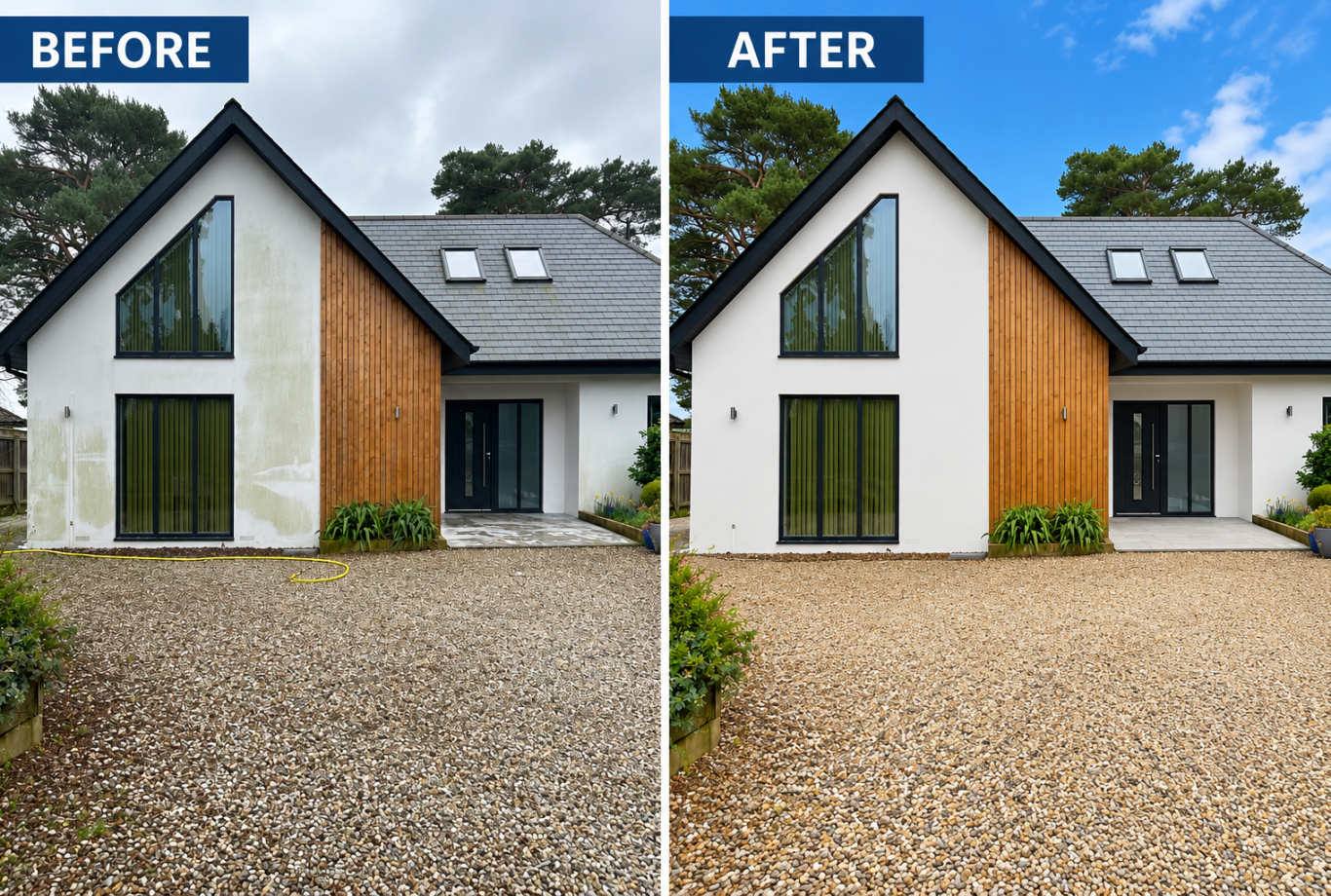
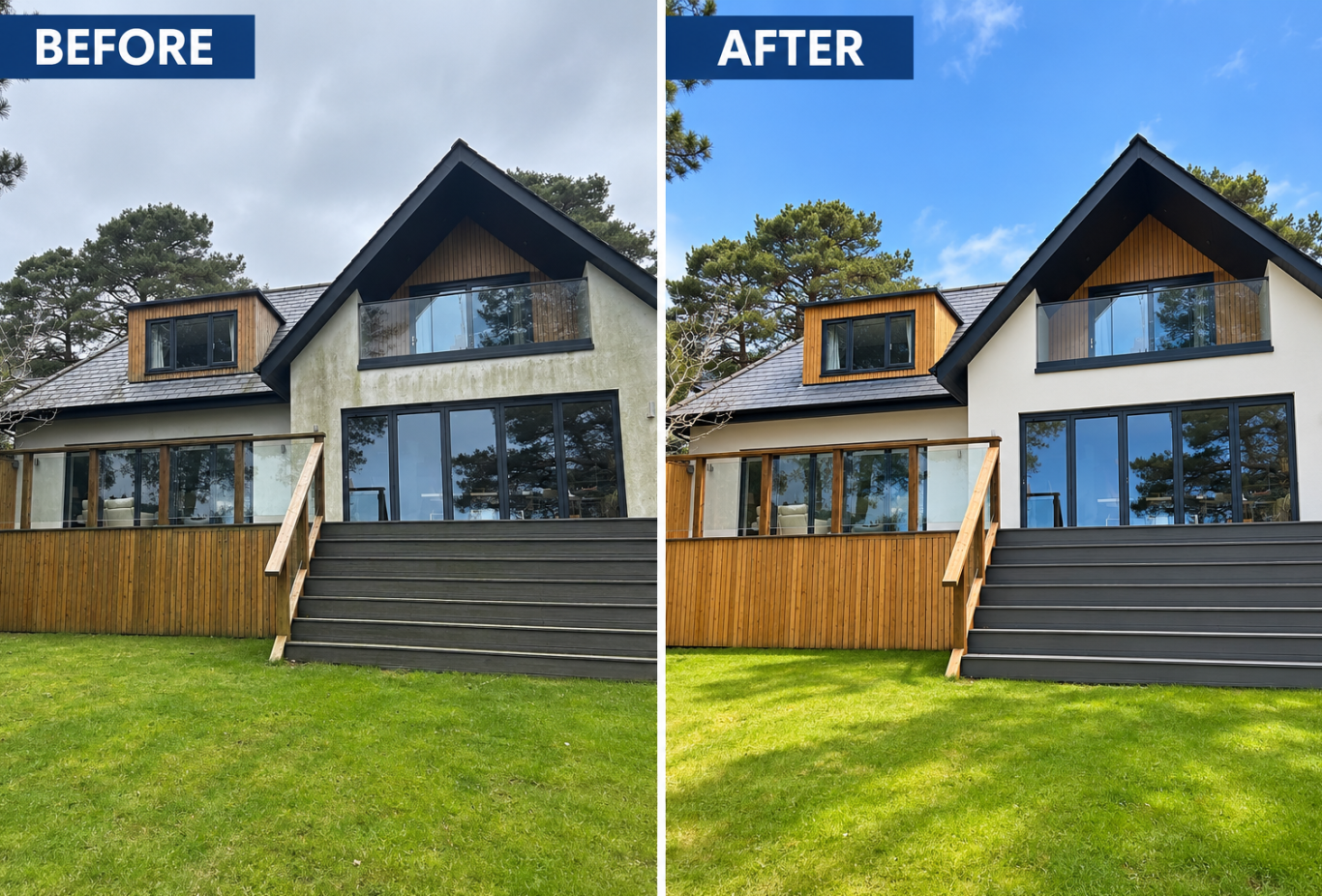
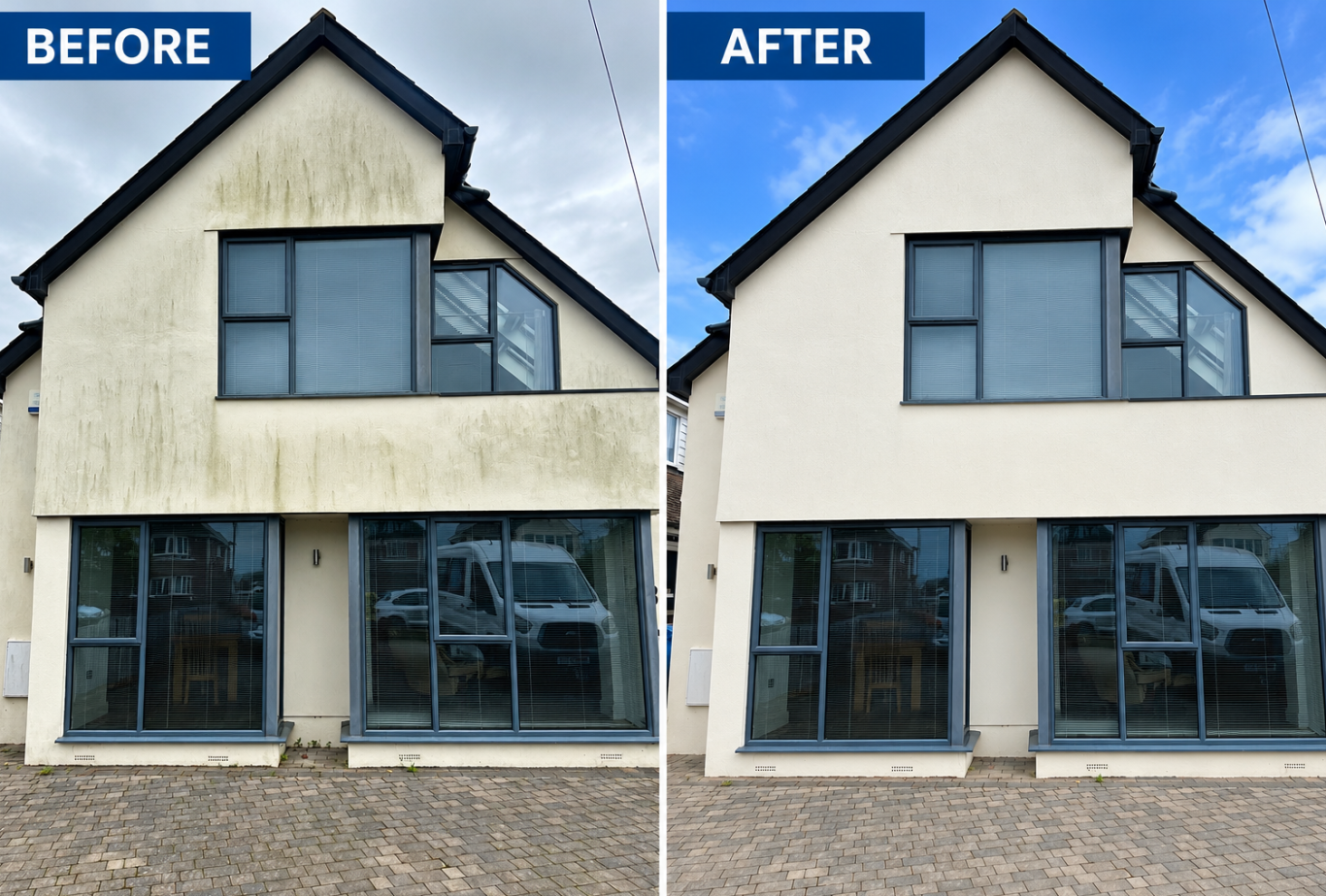
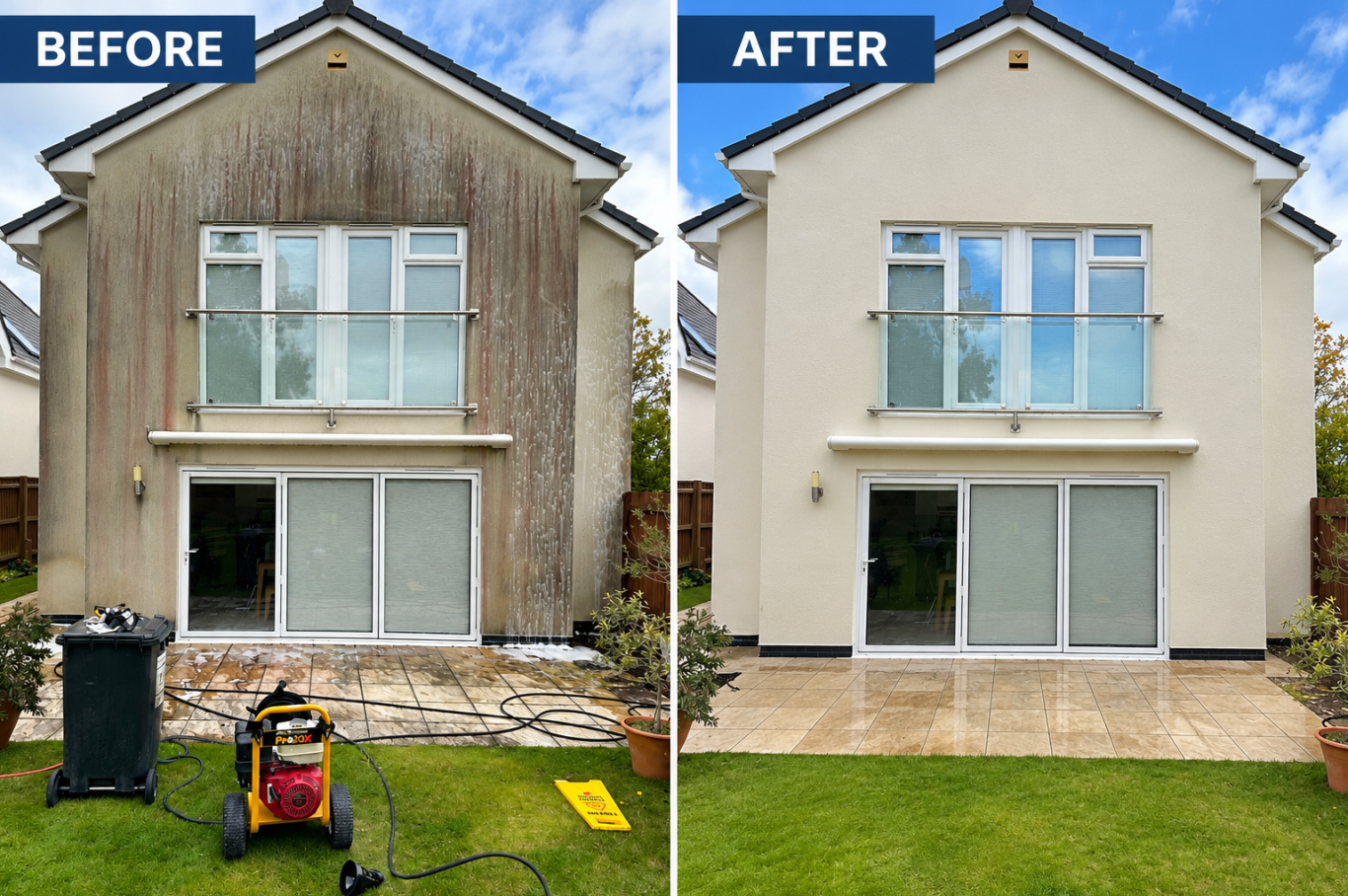
The Complete Guide to Pressure Washing – Methods, Benefits, Costs & Professional Advice
By Mr Softwash | Professional Pressure Washing & Exterior Cleaning Specialists
Serving Poole, Bournemouth, Christchurch, Dorset & Hampshire
Pressure washing is one of the most effective methods of removing accumulated dirt, grime, moss, algae and surface contamination from suitable exterior surfaces. From restoring weathered driveways and patios to cleaning pathways, decking and commercial hardstanding, professional pressure washing can dramatically improve the appearance, cleanliness and safety of outdoor areas.
However, not every surface is suitable for high-pressure cleaning. Understanding the different pressure washing techniques, equipment, surface materials and potential risks is essential to achieving excellent results without causing unnecessary damage.
At Mr Softwash, we specialise in professional exterior cleaning, combining pressure washing, controlled low-pressure cleaning and specialist soft washing techniques to deliver effective, surface-appropriate treatments.
With over 30 years of industry experience, we understand that successful exterior cleaning involves much more than simply directing a powerful jet of water at a dirty surface.
This comprehensive guide explains everything you need to know about pressure washing, including how it works, which surfaces can be cleaned, the benefits, potential risks, typical costs and the differences between pressure washing and soft washing.
1. What Is Pressure Washing?
Pressure washing is an exterior cleaning method that uses water delivered through a specialised pump and nozzle at controlled pressure to remove dirt, debris, biological growth and other surface contamination.
The force of the water helps dislodge accumulated material from exterior surfaces, restoring their appearance and removing unwanted deposits.
Professional pressure washing equipment allows the operator to adjust the cleaning process according to the surface being treated.
This may involve changing:
Water pressure
Water flow rate
Nozzle type and spray angle
Distance between the nozzle and surface
Cleaning temperature
Surface cleaning attachments
Suitable detergents and specialist cleaning treatments
The correct combination of these factors is essential for achieving an effective clean while protecting the underlying material.
At Mr Softwash, our approach is based on selecting the safest effective cleaning method for each individual surface rather than automatically using maximum water pressure.
2. How Does Pressure Washing Work?
Pressure washing equipment uses a motor-driven pump to pressurise water before delivering it through a hose, lance and specially designed nozzle.
The concentrated flow of water provides mechanical cleaning action, helping to loosen and remove unwanted material.
Professional equipment typically consists of several key components.
High-Pressure Pump
The pump increases the pressure of the water, allowing it to remove stubborn surface contamination.
Water Flow Rate
Water flow is usually measured in litres per minute.
Higher flow rates can improve rinsing and help transport loosened debris away from the cleaning area.
Pressure Washing Nozzles
Different nozzles create different spray patterns, from concentrated jets to wider fan-shaped sprays.
The choice of nozzle influences the cleaning force applied to the surface.
Rotary Surface Cleaners
Rotary surface cleaners use spinning spray arms enclosed within a cleaning head.
They are particularly useful for cleaning suitable large, relatively level areas, including driveways, patios and commercial hardstanding.
Cleaning Chemicals and Detergents
Some contamination cannot be effectively removed through water pressure alone.
Appropriate cleaning agents may be used to break down grease, treat biological growth or remove specific staining.
Any chemical treatment should be compatible with the surface, surrounding environment and manufacturer's instructions.
3. What Surfaces Can Be Pressure Washed?
Pressure washing is suitable for many hard exterior surfaces, although the correct method depends on the material, age, condition and construction.
Block Paving Driveways
Block paving is one of the most common surfaces cleaned using professional pressure washing equipment.
Over time, block paving can accumulate:
Moss and algae
Dirt and grime
Weeds between joints
Organic debris
Tyre marks
General atmospheric contamination
Controlled pressure washing can remove much of this contamination and restore the appearance of the paving.
However, excessive pressure can remove jointing sand, disturb unstable blocks and damage the surface.
Professional recommendation: Following cleaning and suitable drying, block paving may require replacement kiln-dried jointing sand to restore the joints.
Concrete Driveways and Paths
Concrete is generally a durable material that can respond well to pressure washing when its condition is suitable.
Common contamination includes algae, moss, dirt, tyre marks and general weathering.
Pressure washing can improve the appearance of concrete driveways, paths and hardstanding.
Nevertheless, excessive pressure can damage the surface, particularly where the concrete is weakened, poorly cured or already deteriorating.
Natural Stone Patios
Natural stone patios can include sandstone, limestone, granite, slate and other materials.
Each stone has different characteristics, including hardness, porosity and sensitivity to cleaning products.
For example, some sandstone surfaces may suffer erosion or loss of surface material when exposed to excessive water pressure.
Professional cleaning should therefore consider the individual stone rather than treating every natural stone patio in the same way.
Porcelain Patios
Porcelain paving is popular because of its relatively low porosity, durability and modern appearance.
It can often be cleaned effectively using controlled water pressure and suitable cleaning solutions.
Care is still necessary around grout, joints, edges and any damaged tiles.
Brickwork
Certain types of sound, durable brickwork may be suitable for carefully controlled pressure washing.
However, older, softer or deteriorating bricks and mortar can be particularly vulnerable to damage.
High-pressure cleaning may remove mortar, erode brick faces or force moisture into the structure.
For delicate brickwork, low-pressure cleaning or specialist chemical treatments may be more appropriate.
Timber Decking
Timber decking requires particular care.
Excessive pressure can damage the timber fibres, causing:
Splintering
Surface roughness
Raised grain
Permanent marking
Accelerated weathering
Low-pressure washing, suitable timber cleaning products and controlled rinsing are often preferable to aggressive pressure washing.
Composite Decking
Composite decking should be cleaned according to the manufacturer's recommendations.
Some composite decking products permit limited pressure washing, while others require gentler methods.
Using excessive pressure can damage protective surfaces or affect the appearance of the decking.
Resin-Bound Driveways
Resin-bound surfaces require a cautious cleaning approach.
Excessive pressure or inappropriate nozzle selection can loosen aggregate, damage the resin binder or affect the surface finish.
Gentle cleaning methods, suitable detergents and controlled rinsing are generally preferable.
Always follow the resin system manufacturer's cleaning guidance.
4. Which Surfaces Should Not Be High-Pressure Washed?
One of the most important aspects of professional exterior cleaning is recognising when high-pressure washing is unsuitable.
Some surfaces require specialist low-pressure cleaning techniques.
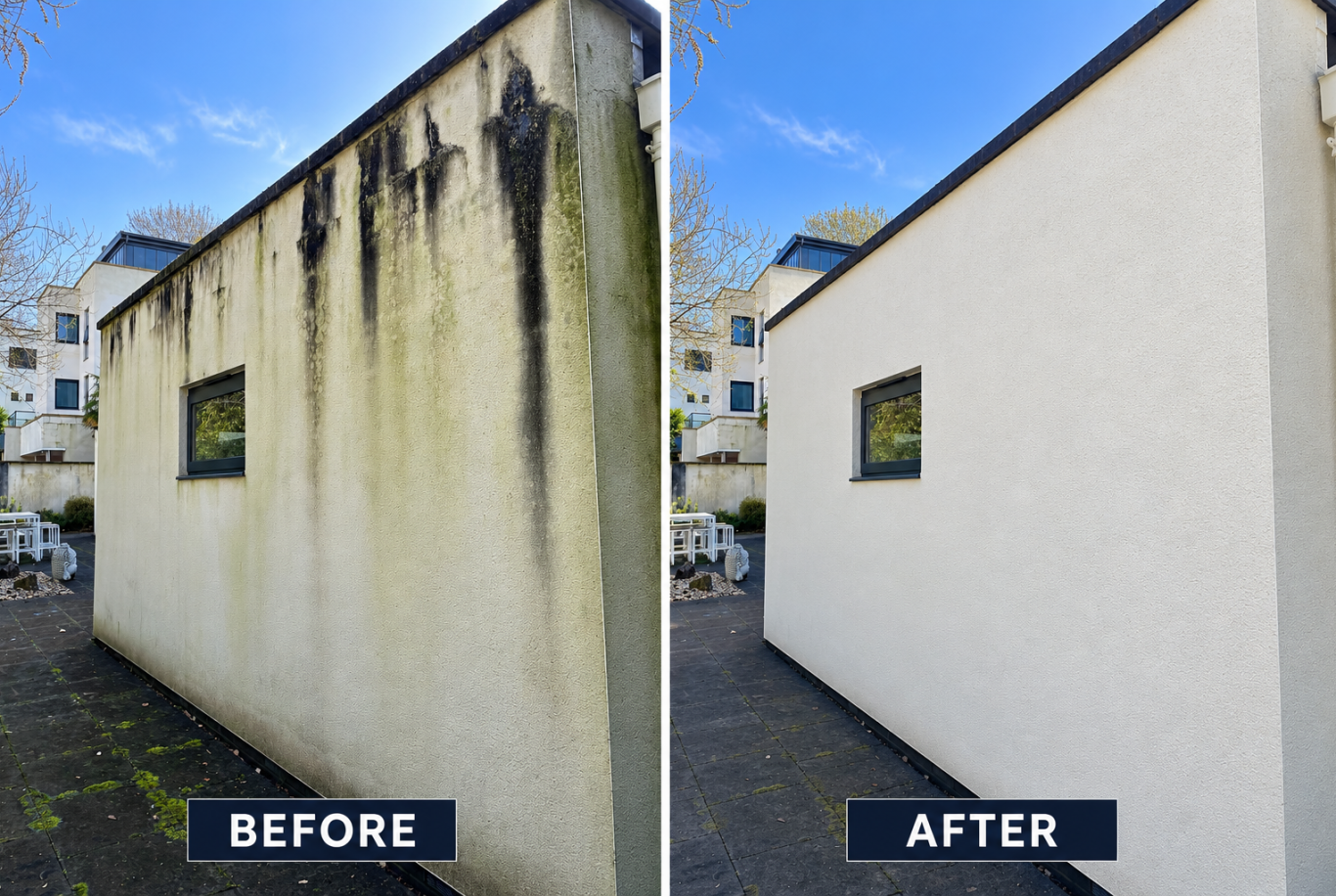
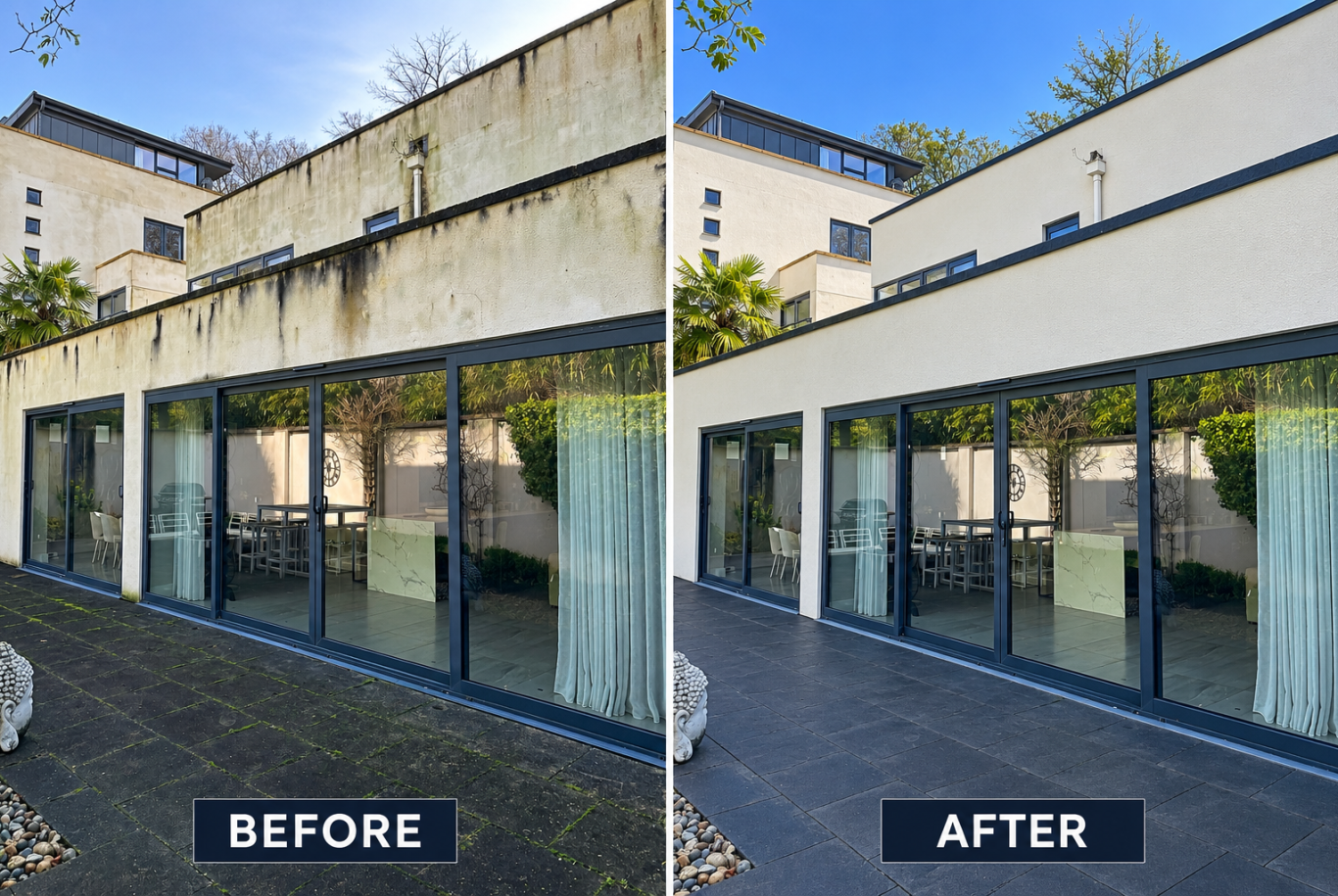
K Rend and Monocouche Render
K Rend and other monocouche render systems can be vulnerable to damage from aggressive pressure washing.
Potential problems include:
Erosion of the textured finish
Surface marking
Removal of protective coatings
Water penetration through defects
Damage around cracks and joints
At Mr Softwash, we generally recommend specialist soft washing for suitable K Rend and monocouche render surfaces rather than aggressive pressure washing.
Silicone and Acrylic Render
Modern silicone and acrylic render systems often require controlled low-pressure cleaning.
Excessive pressure can affect surface coatings, damage weakened areas or force water into existing defects.
Roof Tiles
High-pressure roof cleaning can damage certain roofing materials, disturb tiles and increase the risk of water ingress.
Roof cleaning should always involve an assessment of the roofing system, its condition and the manufacturer's recommendations.
Painted and Coated Surfaces
High-pressure water can strip paint, damage coatings and expose underlying materials.
Where a coating is fragile, a gentler cleaning method may be necessary.
Fragile or Deteriorating Masonry
Weathered stone, damaged brickwork, loose pointing and historic masonry may not tolerate conventional pressure washing.
Specialist conservation cleaning methods may be required.
Mr Softwash principle: The most powerful cleaning method is not necessarily the most appropriate.
5. Pressure Washing vs Soft Washing – What Is the Difference?
Pressure washing and soft washing are both effective exterior cleaning methods, but they work in different ways.
Pressure Washing
Pressure washing relies primarily on the mechanical action of pressurised water to remove surface contamination.
It is particularly useful for suitable durable hard surfaces.
Soft Washing
Soft washing uses low-pressure application and rinsing combined, where appropriate, with specialist cleaning solutions to treat biological contamination.
It is often suitable for delicate surfaces that could be damaged by aggressive pressure washing.
Comparison Table
Feature
Pressure Washing
Soft Washing
Primary cleaning action
Water pressure
Cleaning solutions and gentle rinsing
Typical surfaces
Durable paving and hardstanding
Render, cladding and suitable delicate surfaces
Algae removal
Removes visible growth
Can chemically treat biological growth
Moss removal
Mechanical removal
Treatment and controlled removal
Risk of surface damage
Higher if incorrectly used
Generally lower pressure-related risk
Cleaning chemicals
Optional
Commonly used
Best application
Suitable hard surfaces
Sensitive surfaces and biological staining
Neither method is automatically better in every situation.
Professional exterior cleaning often involves combining different techniques to achieve the most appropriate result.
At Mr Softwash, we assess each surface before deciding whether pressure washing, soft washing or a combination of methods is most suitable.
6. The Benefits of Professional Pressure Washing
Improves Kerb Appeal
A clean driveway, patio or pathway can significantly improve the appearance of a property.
Removing accumulated dirt and biological growth can restore much of the original colour and appearance of exterior surfaces.
Helps Reduce Slippery Surfaces
Algae, moss and other biological growth can make outdoor surfaces slippery, particularly during wet weather.
Removing this contamination can help reduce slipping hazards, although the surface's natural slip resistance and condition remain important.
Helps Maintain Exterior Surfaces
Routine cleaning removes accumulated material that can retain moisture or contribute to surface deterioration.
Appropriate maintenance may help prolong the useful life of certain exterior surfaces.
Improves Outdoor Living Areas
Professional patio and decking cleaning can make gardens and outdoor seating areas more attractive and enjoyable.
Prepares Surfaces for Further Treatment
Pressure washing may be used as part of surface preparation before suitable sealing, coating or other maintenance work.
The surface must be allowed to dry and meet the requirements of the intended treatment.
Removes Stubborn Contamination
Professional equipment can remove many types of accumulated surface dirt that ordinary garden hoses cannot effectively dislodge.
However, certain stains require specialist treatments rather than additional water pressure.
7. Common Problems Removed by Pressure Washing
Green Algae
Green algae frequently develops on damp exterior surfaces, particularly in shaded areas.
Pressure washing can remove visible algae from suitable hard surfaces.
Where biological regrowth is a recurring problem, an appropriate biocidal treatment may also be considered.
Moss
Moss commonly develops between paving joints and on damp, shaded surfaces.
Pressure washing can remove established moss from suitable paving, although care is required to avoid damaging joints and surrounding materials.
Lichen
Lichen forms a close attachment to many exterior surfaces and can be difficult to remove.
Aggressive pressure washing may damage the substrate without completely removing the lichen.
Specialist treatments and sufficient dwell time may be required.
Black Spot on Patios
Black spot is commonly associated with established lichen growth on paving surfaces.
These dark marks can be particularly persistent on natural stone.
A combination of appropriate cleaning treatments and controlled washing may be needed.
Oil and Grease
Oil and grease contamination can be difficult to remove using water alone.
Specialist degreasers, controlled agitation and suitable cleaning equipment may be necessary.
Complete removal is not always possible, particularly on porous materials.
Weeds
Pressure washing can remove weeds and accumulated debris from paving joints.
However, pressure washing alone does not necessarily prevent weeds from returning.
Joint maintenance and suitable ongoing treatments may be required.
General Dirt and Atmospheric Pollution
Outdoor surfaces gradually accumulate dirt, dust, organic matter and environmental deposits.
Routine cleaning can help restore their appearance and prevent excessive build-up.
8. Professional Pressure Washing Equipment
Professional pressure washing equipment differs from typical domestic machines in several important ways.
Commercial equipment may provide greater water flow, more consistent performance and specialist cleaning attachments.
Cold Water Pressure Washers
Cold water machines are widely used for cleaning paving, concrete, patios and general exterior surfaces.
Hot Water Pressure Washers
Hot water equipment can improve the removal of certain grease, oil and industrial contamination.
However, hot water is not appropriate for every surface.
Rotary Surface Cleaning Equipment
Professional surface cleaners can provide more consistent cleaning across suitable large areas while helping contain spray.
Adjustable Pressure Systems
Pressure control allows the cleaning method to be adapted to the surface.
Specialist Chemical Application Equipment
Chemical application systems allow suitable cleaning solutions to be applied in a controlled manner.
Correct chemical selection, dilution, personal protective equipment and environmental precautions are essential.
9. How Professional Pressure Washing Is Carried Out
At Mr Softwash, the appropriate cleaning process is selected according to the surface and its condition.
Step 1 – Surface Inspection
The first stage involves examining the material and identifying potential problems.
These may include:
Loose paving
Damaged pointing
Surface cracks
Fragile coatings
Drainage issues
Existing structural defects
Sensitive surrounding materials
Step 2 – Identifying the Contamination
Different types of contamination require different cleaning methods.
For example, algae, oil staining and lichen do not respond identically to pressure washing.
Step 3 – Selecting the Cleaning Method
The appropriate pressure, water flow, nozzle, equipment and cleaning products are selected.
A small test area may be used to confirm suitability.
Step 4 – Preparing the Area
Loose objects are removed where practical, and surrounding areas are protected.
Particular attention is given to plants, electrical equipment, doors, vents, drainage and neighbouring surfaces.
Step 5 – Applying Specialist Treatments
Where necessary, suitable cleaning solutions may be applied to help break down contamination.
Products are used according to their labels and applicable safety requirements.
Step 6 – Controlled Pressure Washing
The surface is cleaned using an appropriate pressure and technique.
The objective is to remove contamination without unnecessarily damaging the material.
Step 7 – Rinsing and Waste Management
Residual dirt and cleaning products are removed or collected as appropriate.
Contaminated wash water must be managed responsibly and must not be allowed to enter surface-water drains where prohibited.
Step 8 – Final Inspection
The cleaned area is inspected to identify any remaining contamination or areas requiring further treatment.
Step 9 – Aftercare
Depending on the surface, additional work may include:
Re-sanding block paving
Suitable biological growth treatments
Joint repairs
Sealing recommendations
Ongoing maintenance advice
10. Can Pressure Washing Damage a Driveway or Patio?
Yes. Incorrect pressure washing can damage a wide range of exterior surfaces.
Common problems include:
Surface erosion: Excessive water pressure can remove material from concrete, natural stone and certain paving products.
Joint damage: Concentrated water jets can remove jointing sand or damage mortar joints.
Etching and marking: Incorrect nozzle selection can create permanent lines or uneven cleaning patterns.
Water penetration: High-pressure water can enter cracks, joints and other vulnerable areas.
Coating damage: Protective sealers and surface coatings may be removed or weakened.
Aggregate loss: Certain resin-bound and exposed aggregate surfaces can be damaged by aggressive cleaning.
Professional pressure washing is about controlling cleaning force, not simply maximising it.
11. How Much Does Pressure Washing Cost in the UK?
The cost of pressure washing varies according to the surface, size of the area, level of contamination, access and any additional treatments required.
The following figures are broad, illustrative UK budgeting ranges rather than fixed Mr Softwash prices.
Service
Indicative cost
Driveway pressure washing
£3–£8 per m²
Patio pressure washing
£3–£8 per m²
Concrete cleaning
£3–£7 per m²
Block paving cleaning
£4–£9 per m²
Decking cleaning
£4–£10 per m²
Specialist stain treatments
Quoted individually
Small areas may be subject to a minimum call-out charge, while larger areas may benefit from more economical rates per square metre.
Additional services such as re-sanding, specialist stain removal, sealing and difficult-access work can increase the overall cost.
For an accurate quotation, Mr Softwash can assess the surface, contamination and cleaning requirements.
12. How Often Should You Pressure Wash a Driveway or Patio?
There is no universal cleaning schedule.
The frequency depends on several factors, including:
Surface material
Exposure to sunlight
Moisture levels
Surrounding trees and vegetation
Foot and vehicle traffic
Drainage
Previous cleaning and maintenance
Many domestic driveways and patios benefit from an inspection and cleaning assessment approximately once a year.
However, some surfaces may only require occasional cleaning, while heavily shaded or damp areas may need more frequent attention.
Unnecessary repeated pressure washing should be avoided, particularly on vulnerable materials.
13. Is Pressure Washing Environmentally Friendly?
Pressure washing can remove some types of contamination using water alone, reducing the need for chemical cleaning products.
However, environmental performance depends on the equipment, water consumption, contamination and cleaning methods used.
Water Consumption
Professional equipment should be operated efficiently to avoid unnecessary water waste.
Cleaning Chemicals
Where detergents or biocides are required, they should be selected and applied responsibly.
Wastewater
Wash water may contain dirt, oil, detergents, biological contamination and other pollutants.
It should be contained, collected or disposed of appropriately, depending on the site and applicable requirements.
Protecting Plants and Wildlife
Nearby vegetation, ponds and sensitive areas should be protected from inappropriate chemical exposure and contaminated runoff.
At Mr Softwash, we recognise the importance of selecting effective cleaning methods while considering the surrounding environment.
14. DIY Pressure Washing vs Professional Pressure Washing
Domestic pressure washers are widely available and can be useful for routine cleaning of suitable surfaces.
However, professional pressure washing offers several potential advantages.
Professional Equipment
Commercial cleaning equipment can improve productivity and cleaning consistency.
Surface Knowledge
Experienced operators can identify materials that require lower pressure or alternative cleaning methods.
Specialist Treatments
Professional exterior cleaning may involve targeted treatments for algae, lichen, oil and other persistent contamination.
Reduced Risk of Damage
Correct equipment selection and controlled techniques help reduce the risk of avoidable surface damage.
Time Savings
Professional equipment can often clean larger areas more efficiently than domestic machines.
Appropriate Aftercare
Some surfaces require re-sanding, joint maintenance or other work after cleaning.
For delicate, expensive or heavily contaminated surfaces, professional assessment is particularly valuable.
15. Pressure Washing Safety – Important Considerations
Pressure washing equipment can cause serious injuries if used incorrectly.
High-pressure water can penetrate skin and cause deep tissue injuries, even when the visible wound appears small.
Important safety considerations include:
Never direct a pressure washing jet towards people or animals.
Wear appropriate eye, foot and skin protection.
Keep electrical equipment and connections protected.
Avoid working from ladders while operating pressure washing equipment.
Assess slip and trip hazards.
Use suitable hoses, fittings and pressure-rated equipment.
Protect windows, vents and vulnerable building components.
Follow chemical safety information and product instructions.
Ensure appropriate training for commercial equipment.
Any suspected high-pressure injection injury requires urgent emergency medical assessment.
16. Pressure Washing and Surface Sealing
Following cleaning, certain surfaces may benefit from an appropriate protective sealer.
Potential benefits include improved stain resistance, reduced water absorption and easier future maintenance.
However, sealing is not suitable for every surface.
Before applying a sealer, it is important to consider:
Surface compatibility
Moisture content
Drainage and breathability
Existing coatings
Slip resistance
Manufacturer's recommendations
Some sealers can change the colour or appearance of paving.
Professional advice is recommended before applying any sealing product.
17. Pressure Washing Services in Poole, Bournemouth, Christchurch, Dorset & Hampshire
Mr Softwash provides professional exterior cleaning services across Poole, Bournemouth, Christchurch and surrounding areas of Dorset and Hampshire.
Our approach combines experience, appropriate cleaning equipment and surface-specific techniques.
Pressure Washing in Poole
From block paving driveways to garden patios and exterior pathways, Mr Softwash offers pressure washing solutions for suitable surfaces throughout Poole and surrounding areas.
Pressure Washing in Bournemouth
Properties in Bournemouth can experience algae, moss and general surface contamination due to shade, moisture and outdoor exposure.
Our cleaning methods are selected to suit the individual surface and its condition.
Pressure Washing in Christchurch
Mr Softwash provides exterior cleaning solutions for residential and suitable commercial surfaces in Christchurch and nearby locations.
Pressure Washing Across Dorset
We provide exterior cleaning services across our Dorset coverage area, helping homeowners and businesses maintain cleaner outdoor surfaces.
Pressure Washing in Hampshire
Our service coverage also extends into parts of Hampshire, subject to location and project requirements.
Whether you need driveway cleaning, patio cleaning, hard surface maintenance or advice about a delicate exterior surface, Mr Softwash can recommend an appropriate cleaning approach.
18. Frequently Asked Questions About Pressure Washing
What is the difference between pressure washing and jet washing?
The terms are commonly used interchangeably in the UK.
Both generally describe cleaning with pressurised water, although equipment, pressure and cleaning methods can vary.
Is pressure washing better than soft washing?
Neither method is universally better.
Pressure washing is often effective for durable hard surfaces, while soft washing may be preferable for delicate render, cladding and other pressure-sensitive materials.
Can you pressure wash K Rend?
Aggressive pressure washing is generally not recommended for K Rend.
Specialist low-pressure cleaning and appropriate treatments are usually preferable, subject to the render system's condition and manufacturer guidance.
Can pressure washing remove black spot from patios?
Pressure washing may remove some surface contamination, but established black spot lichen often requires specialist treatment.
Using excessive pressure can damage the paving without fully removing the marks.
Can pressure washing remove oil stains?
Pressure washing can help remove some oil contamination, particularly when combined with suitable degreasers.
However, oil absorbed into porous surfaces may be difficult or impossible to remove completely.
Does pressure washing remove weeds permanently?
No.
Pressure washing can remove existing weeds and debris, but new growth may develop over time.
Should block paving be re-sanded after pressure washing?
Where cleaning removes jointing sand, the joints should be replenished using an appropriate material and method.
Can pressure washing damage concrete?
Yes.
Excessive pressure can etch, roughen or erode concrete, especially where it is weak or deteriorating.
Can you pressure wash a wooden deck?
Some timber decking can be cleaned using carefully controlled low pressure, but aggressive pressure washing can damage wood fibres.
How long does pressure washing take?
The time required depends on the area, access, surface type, equipment and contamination.
Small domestic areas may take a few hours, while larger or more complex projects can require considerably longer.
Does pressure washing kill algae?
Pressure washing can physically remove visible algae, but it may not eliminate all biological contamination.
Suitable treatments may help control remaining growth and reduce recurrence.
What time of year is best for pressure washing?
Pressure washing can be undertaken at various times of year when weather and site conditions are suitable.
Freezing conditions should be avoided, and any additional treatments must be applied within their specified temperature and weather limits.
Is professional pressure washing worth it?
Professional cleaning can be worthwhile where surfaces are heavily contaminated, large, difficult to access or vulnerable to damage.
Experienced assessment and appropriate equipment can improve results while reducing avoidable risks.
19. Why Choose Mr Softwash for Pressure Washing?
Choosing an exterior cleaning company involves more than finding someone with a powerful pressure washer.
At Mr Softwash, our focus is on understanding the surface, identifying the contamination and selecting the most suitable cleaning technique.
With over 30 years of industry experience, we offer a knowledgeable approach to exterior cleaning.
Surface-Specific Cleaning
We recognise that concrete, block paving, natural stone, decking and render require different treatments.
Pressure Washing and Soft Washing Expertise
Our understanding of both pressure washing and soft washing allows us to recommend appropriate methods for different exterior surfaces.
Specialist Render Cleaning Knowledge
We have particular expertise in cleaning K Rend and other modern render systems using suitable low-pressure techniques.
Local Exterior Cleaning Services
We serve Poole, Bournemouth, Christchurch and surrounding areas of Dorset and Hampshire.
Professional Advice
We aim to provide clear recommendations about cleaning methods, maintenance requirements and surface care.
20. Get a Free Pressure Washing Quote from Mr Softwash
Is your driveway covered in algae? Has your patio become discoloured? Are your outdoor paths looking tired, dirty or weathered?
Professional pressure washing can make a significant difference to the appearance of suitable exterior surfaces.
At Mr Softwash, we combine professional cleaning methods with an understanding of surface materials to help achieve excellent results.
Whether you need a driveway cleaned, a patio restored or advice on the safest way to clean a delicate exterior surface, we are here to help.
Contact Mr Softwash today for a free, no-obligation quotation.
Mr Softwash – Professional Pressure Washing & Exterior Cleaning
Telephone: 07742 708970
Website: www.mrsoftwash.co.uk
Areas Covered: Poole, Bournemouth, Christchurch, Dorset & Hampshire
Professional pressure washing, specialist soft washing and expert exterior surface care.
Mr Softwash – Helping homeowners and businesses understand, clean and maintain exterior surfaces safely and effectively.
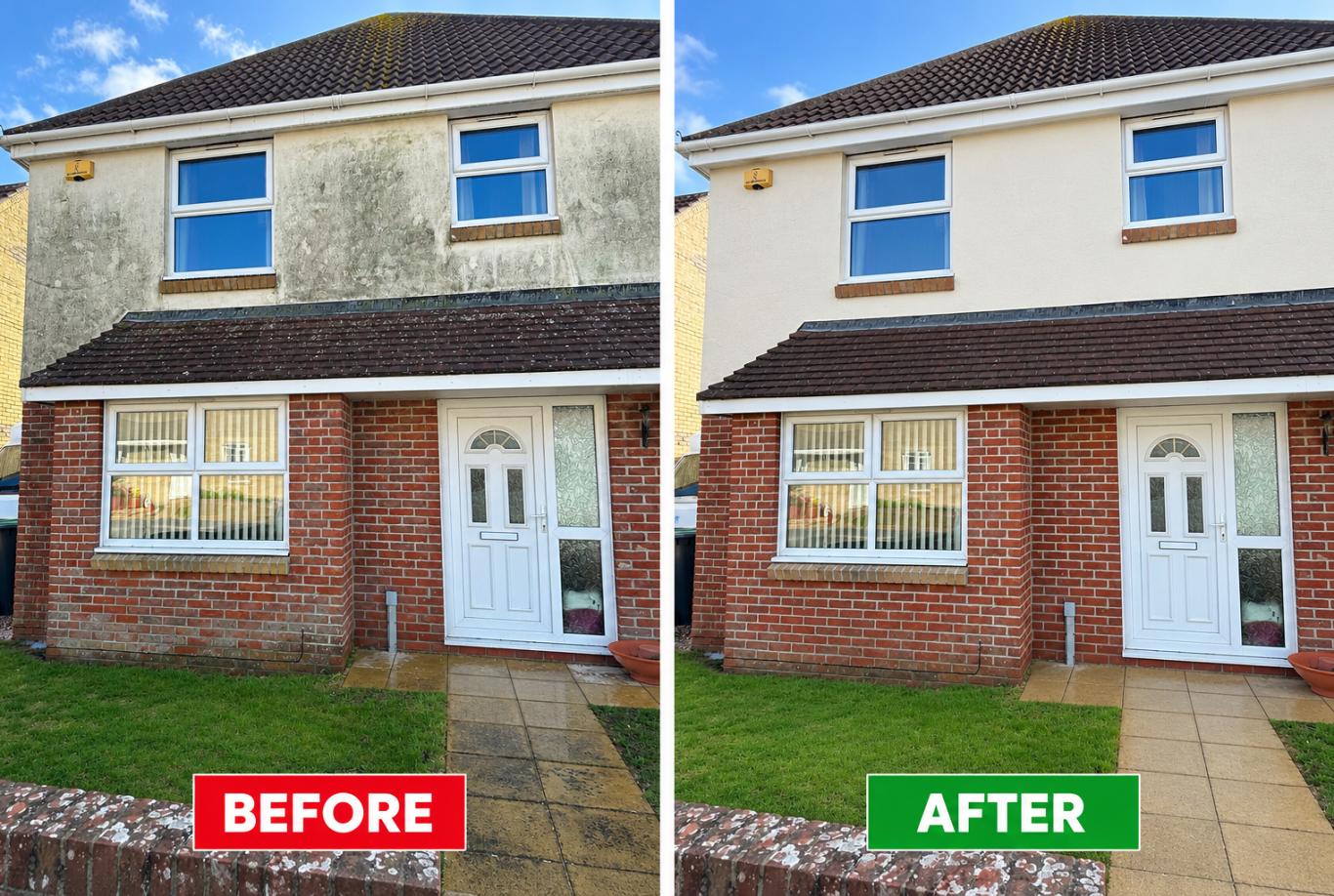
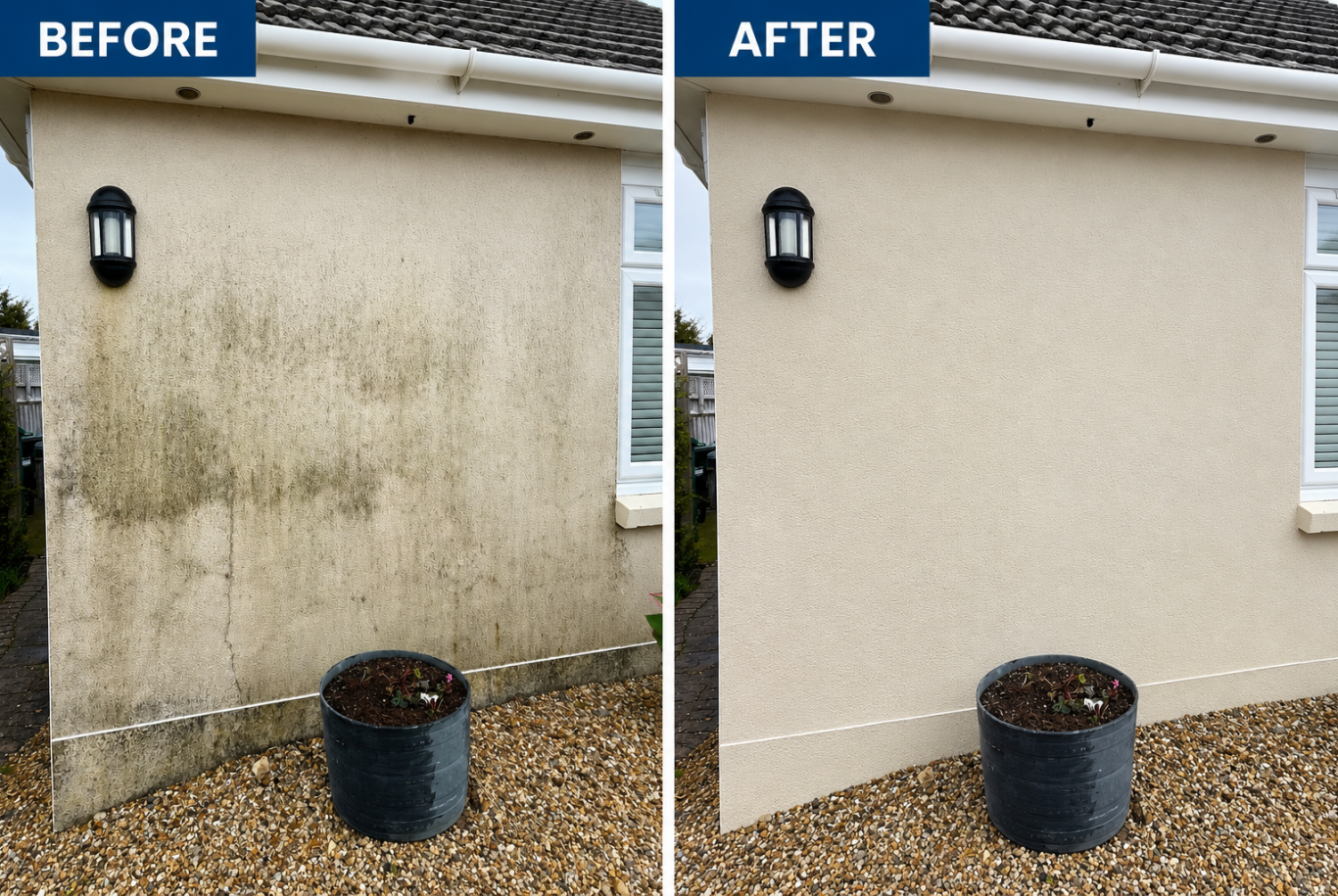
Give me a quick call, send me an email or WhatsApp
Written Quote
Tell me what you need and I'll send you a free written quote to your phone or by email
We need your consent to load the translations
We use a third-party service to translate the website content that may collect data about your activity. Please review the details in the privacy policy and accept the service to view the translations.