
Mr Softwash®
The Original Soft Washing Company
"The UK's K Rend & Render Cleaning Specialist"
Mr Softwash®
The Original Soft Washing Company
"The UK's K Rend & Render Cleaning Specialist"
Mr Softwash is a highly rated, professional exterior cleaning service based in Hamworthy, Poole, specialising in low-pressure soft washing and modern render treatments. Run by Steve Taylor, who brings over 30 years of industry experience, the company provides safe, non-abrasive cleaning alternatives to traditional high-pressure jet washing across Poole, Bournemouth, Dorset, Hampshire, Wiltshire.
Don't let stained and weathered Surfaces spoil the appearance of your property.
For professional Soft washing in Poole, Dorset and Hampshire, contact Mr Softwash today for a free online quote.
WhatsApp a photo & postcode for a free quote
The Complete Guide to Brickwork Cleaning
Professional Brick Cleaning, Stain Removal, Soft Washing and Maintenance
Brickwork is one of the most durable and attractive building materials used throughout the UK. From traditional red brick houses and historic properties to modern brick façades, garden walls, driveways and commercial buildings, brickwork provides strength, character and long-lasting protection.
However, despite its durability, brickwork is constantly exposed to environmental conditions that can affect its appearance and condition.
Over time, bricks can become discoloured by algae, moss, lichen, atmospheric pollution, dirt, mineral deposits and moisture-related staining.
Without appropriate maintenance, these contaminants can make brickwork appear neglected and, in some circumstances, contribute to deterioration of the brick surface and mortar joints.
At Mr Softwash, we specialise in exterior cleaning, including professional brickwork cleaning using methods selected for the type, age and condition of the masonry.
This comprehensive guide explains everything you need to know about cleaning brickwork, including the different types of bricks, common causes of staining, cleaning techniques, chemical treatments, maintenance and the benefits of professional brick cleaning.
1. What Is Brickwork Cleaning?
Brickwork cleaning is the process of removing dirt, biological growth, pollution deposits, staining and other unwanted materials from brick surfaces.
The objective is to restore the appearance of the brickwork while preserving the integrity of the bricks and mortar.
Professional brick cleaning may involve several techniques, including:
Soft washing
Low-pressure water cleaning
Controlled pressure washing
Specialist masonry cleaning solutions
Algae and moss treatments
Lichen removal
Efflorescence treatment
Targeted stain removal
Manual cleaning
Specialist conservation cleaning
The most appropriate cleaning method depends on the type of brick, the nature of the contamination and the condition of the masonry.
Not all brickwork should be cleaned using the same method.
Older, porous or weathered bricks may require a considerably gentler approach than modern engineering bricks.
At Mr Softwash, we believe effective brick cleaning starts with understanding the surface rather than simply applying high-pressure water.
2. Why Does Brickwork Become Dirty?
Brickwork is constantly exposed to the British climate.
Rainfall, humidity, airborne pollution and biological organisms gradually affect the appearance of exterior masonry.
Several factors contribute to dirty or discoloured bricks.
Algae Growth
Algae are among the most common biological contaminants found on exterior brickwork.
They thrive in damp environments, particularly on surfaces that receive limited sunlight.
Green algae frequently develop on:
North-facing walls
Shaded elevations
Garden boundary walls
Brickwork beneath trees
Areas near vegetation
Walls affected by persistent moisture
Algae can produce green, brown or dark discolouration.
Although algae growth is often primarily cosmetic, persistent moisture associated with biological growth can indicate conditions that require attention.
Professional soft washing can remove algae and treat biological contamination without relying on aggressive pressure washing.
Moss Growth
Moss commonly grows on damp brickwork, particularly where moisture accumulates.
It is frequently found on:
Garden walls
Retaining walls
Mortar joints
Brick steps
Shaded brick surfaces
Older brick structures
Moss can retain moisture against masonry surfaces.
Heavy moss growth may also contribute to deterioration where mortar joints are already weak or damaged.
Appropriate cleaning involves carefully removing excessive growth and addressing the conditions that encourage it.
Lichen Growth
Lichen is a biological growth formed through a relationship between fungi and photosynthetic organisms.
It can appear as white, grey, yellow, green or dark patches on brick surfaces.
Unlike loose surface dirt, lichen often adheres firmly to the masonry.
This makes it more difficult to remove.
Aggressive scraping or high-pressure washing can damage softer brick surfaces.
Professional cleaning may involve specialist treatments, controlled dwell times and gentle removal methods.
Some established lichen staining may require more than one treatment.
Atmospheric Pollution
Brickwork in urban environments can accumulate airborne pollutants.
Common sources include:
Vehicle exhaust emissions
Industrial pollution
Soot
Smoke
Airborne dust
General environmental deposits
These contaminants can gradually darken brickwork.
Black or grey pollution staining is particularly noticeable on lighter-coloured bricks.
Cleaning methods must be selected carefully because some deposits become embedded within the porous brick surface.
Damp and Moisture
Persistent moisture is one of the main factors contributing to brickwork discolouration.
Common causes include:
Leaking gutters
Defective downpipes
Poor drainage
Water runoff
Ground-level moisture
Shaded elevations
Defective pointing
Vegetation against walls
Cleaning can improve the appearance of affected brickwork, but it will not resolve the underlying source of moisture.
Where dampness is caused by a building defect, the defect should be investigated and repaired.
3. Understanding Different Types of Brickwork
Before cleaning brickwork, it is important to identify the type of brick.
Different bricks have different levels of porosity, hardness and resistance to cleaning.
Clay Bricks
Clay bricks are among the most common building materials used in British properties.
They are manufactured from clay and fired at high temperatures.
Their colour and durability depend on the clay composition and manufacturing process.
Clay bricks may be:
Red
Orange
Brown
Yellow
Buff
Blue
Multi-coloured
Some clay bricks are relatively hard and dense, while others are softer and more porous.
Cleaning should be based on the individual brick rather than its colour alone.
Engineering Bricks
Engineering bricks are generally manufactured to achieve high strength and low water absorption.
They are frequently used in:
Foundations
Damp-resistant construction details
Retaining structures
Areas requiring high durability
Certain decorative applications
Engineering bricks are often more resistant to water penetration than ordinary facing bricks.
However, their surface finish and mortar joints must still be considered before cleaning.
Facing Bricks
Facing bricks are designed to remain visible as part of a building's exterior appearance.
They are available in a wide range of colours, textures and finishes.
Some facing bricks have delicate or textured surfaces that can be damaged by unsuitable cleaning methods.
Excessive pressure may permanently alter their appearance.
Gentle cleaning is often preferable.
Handmade Bricks
Handmade bricks are commonly found on traditional buildings and period properties.
They may have irregular shapes, distinctive textures and variations in colour.
Many older handmade bricks are relatively soft and porous.
They can be particularly vulnerable to:
High-pressure washing
Aggressive scrubbing
Acidic cleaning products
Abrasive techniques
Excessive saturation
Cleaning historic brickwork should follow a conservation-led approach.
Reclaimed Bricks
Reclaimed bricks are frequently used in restoration projects, garden walls and traditional construction.
Their previous exposure and condition can vary considerably.
Some may already have weathered surfaces or weakened edges.
A careful inspection and small test area are essential before cleaning.
Sand-Faced and Textured Bricks
Some bricks have decorative surface finishes.
These may include sand-faced, textured, wire-cut or specially treated surfaces.
Aggressive cleaning can remove or alter the original finish.
The cleaning method should preserve the appearance and texture of the brick.
4. The Different Methods of Cleaning Brickwork
There are several recognised approaches to brick cleaning.
Each method has advantages and limitations.
The correct technique depends on the surface and the contamination being removed.
Method 1: Soft Washing Brickwork
What Is Soft Washing?
Soft washing is a cleaning method that uses relatively low-pressure application of appropriate cleaning solutions to remove or treat biological contamination.
Unlike conventional pressure washing, soft washing does not rely primarily on the force of high-pressure water.
Instead, suitable cleaning products are used to break down or control contaminants.
Soft washing is particularly useful for biological growth, including:
Green algae
Certain black biological stains
Moss
Lichen
Organic surface contamination
How Does Soft Washing Work?
A typical professional soft washing process involves:
Step 1: Surface Inspection
The brickwork is inspected to identify the type of brick, condition of mortar joints and nature of the contamination.
Step 2: Surface Preparation
Loose debris and excessive biological growth may be removed using appropriate methods.
Nearby surfaces, vegetation and sensitive materials are protected.
Step 3: Cleaning Solution Application
A suitable cleaning solution is applied using controlled, low-pressure equipment.
Step 4: Treatment Period
The product is allowed to work for the appropriate period, following its label instructions and the surface requirements.
Step 5: Rinsing or Further Treatment
Depending on the cleaning product and contamination, the brickwork may be rinsed using controlled low-pressure water or treated according to the manufacturer's instructions.
Step 6: Final Inspection
The surface is assessed to determine whether further treatment is required.
Benefits of Soft Washing Brickwork
Soft washing offers several potential advantages:
Reduced reliance on high-pressure water
Effective treatment of many biological contaminants
Lower risk of mechanical surface damage when correctly performed
Suitable for many types of exterior masonry
Can treat biological contamination within textured surfaces
May help delay biological regrowth when an appropriate residual treatment is used
However, soft washing is not suitable for every type of brick, stain or building.
The compatibility of the cleaning solution with the masonry must always be assessed.
5. Can You Pressure Wash Brickwork?
One of the most frequently asked questions about brick cleaning is:
Can bricks be cleaned with a pressure washer?
The answer is yes, some brickwork can be pressure washed, but it must be approached carefully.
Pressure washing can remove loose dirt and certain surface deposits from sound, suitable masonry.
However, excessive pressure can damage brick surfaces and mortar joints.
Potential Risks of Pressure Washing Bricks
Incorrect pressure washing can cause:
Surface erosion
Damage to mortar joints
Loss of decorative finishes
Increased surface roughness
Water penetration
Damage to soft or weathered bricks
Removal of the protective fired surface of some bricks
Older properties can be particularly vulnerable.
When Might Pressure Washing Be Suitable?
Controlled pressure washing may be appropriate for certain sound, durable brick surfaces where the masonry and mortar are in good condition.
The operator should consider:
Brick hardness
Surface condition
Mortar integrity
Water pressure
Nozzle type
Working distance
Water volume
Direction of the spray
There is no single pressure setting suitable for all brickwork.
Is Soft Washing Better Than Pressure Washing?
For biological contamination, soft washing is often preferable because it reduces the need for mechanical force.
For some non-biological deposits, controlled water cleaning or specialist masonry cleaning may be more effective.
The best cleaning method is the one that removes the contamination without damaging the brickwork.
6. How to Remove Green Algae From Bricks
Green algae are particularly common on brickwork throughout Dorset and Hampshire.
The region's relatively mild, damp climate can encourage biological growth on shaded exterior surfaces.
Why Do Bricks Turn Green?
Green discolouration commonly occurs when algae colonise damp masonry.
Contributing factors include:
Persistent moisture
Limited sunlight
Poor airflow
Nearby trees and shrubs
Rainwater runoff
Shaded walls
How Is Green Algae Removed?
Professional treatment generally involves:
Inspecting the brickwork.
Identifying the biological contamination.
Removing excessive loose growth where necessary.
Applying a suitable masonry-compatible algae treatment.
Allowing the product to work.
Rinsing or leaving the treatment in place as directed.
Reassessing the surface.
Will Algae Return?
Algae can return if environmental conditions remain favourable.
The speed of regrowth depends on factors such as moisture, shade and exposure.
Periodic maintenance and correcting sources of persistent dampness can help reduce future growth.
7. How to Remove Black Stains From Brickwork
Black staining is another common problem affecting exterior brickwork.
However, not all black stains have the same cause.
Possible sources include:
Atmospheric pollution
Soot
Biological contamination
Damp-related deposits
Carbon staining
Organic material
Metal-related staining
Identifying the cause is essential.
Black Biological Staining
Some dark biological deposits respond to appropriate biocidal cleaning treatments.
Depending on the organism and degree of staining, multiple treatments may be necessary.
Pollution and Carbon Staining
Black pollution deposits may require specialist masonry cleaning products.
Soft washing treatments designed primarily for biological contamination may not remove embedded carbon deposits.
Why Identification Matters
Using the wrong cleaning solution can produce poor results or cause damage.
For example, applying a biological cleaning product to a mineral or carbon deposit may have little effect.
Professional brick cleaning begins with identifying the contamination before selecting a treatment.
8. How to Remove Moss From Brickwork
Moss is commonly found on garden walls, retaining walls and older brick structures.
It often develops where moisture remains trapped in surface irregularities and mortar joints.
The Brick Moss Removal Process
A suitable cleaning process may include:
Initial Inspection
Check whether the moss is growing on sound brickwork or within deteriorating mortar joints.
Careful Physical Removal
Excessive moss may be removed using non-damaging tools.
Metal scrapers and aggressive wire brushing should generally be avoided on softer brick surfaces.
Biological Treatment
An appropriate treatment may be applied to control remaining moss and associated biological growth.
Surface Assessment
The brickwork is checked for remaining contamination and any maintenance issues.
Why Moss Should Be Managed
Established moss can retain moisture and conceal deteriorating mortar joints.
Removing heavy growth also improves the appearance of garden walls and external brick surfaces.
9. How to Remove Lichen From Bricks
Lichen can be particularly difficult to remove because it adheres closely to masonry surfaces.
It may form crust-like patches that remain visible after initial treatment.
Why Is Lichen Difficult to Remove?
Lichen can develop within the small surface irregularities of porous materials.
Attempting to remove it aggressively can damage the brick face.
Professional Lichen Removal
Depending on the masonry, treatment may involve:
Specialist biocidal products
Controlled application
Appropriate treatment periods
Gentle rinsing
Repeat treatments
Natural weathering following treatment
Results may develop gradually.
It is important to avoid forcing immediate removal where doing so could damage the masonry.
10. What Are White Stains on Brickwork?
White staining on brickwork is frequently caused by efflorescence.
What Is Efflorescence?
Efflorescence occurs when water transports soluble salts through masonry.
As the moisture evaporates, salts can crystallise on the surface.
This creates white or pale deposits.
What Causes Efflorescence?
Common causes include:
Moisture moving through brickwork
Soluble salts within masonry materials
Newly constructed walls
Rainwater penetration
Ground moisture
Certain construction materials
How Do You Remove Efflorescence?
Light efflorescence can sometimes be removed using a dry, soft brush.
More persistent deposits may require specialist treatment.
However, it is important to distinguish efflorescence from other white deposits, including lime staining and calcium-based deposits.
Should You Use Acid to Remove Efflorescence?
Acidic cleaning products should not be used indiscriminately.
Some bricks and mortars are sensitive to acids, which may cause discolouration, surface damage or additional staining.
Incorrect chemical treatment can make the problem worse.
Where efflorescence repeatedly returns, the underlying moisture source should be investigated.
11. How to Remove Rust Stains From Bricks
Rust staining may appear as orange, reddish-brown or dark brown marks.
Common sources include:
Metal railings
Steel fixtures
Garden furniture
Corroding fixings
Metal drainage components
Iron-containing deposits
Rust stains may penetrate porous brick surfaces.
General algae treatments are unlikely to remove established iron staining effectively.
Professional removal may require a specialist masonry-compatible rust remover.
The correct product depends on the brick composition and the nature of the stain.
A test area is essential.
12. How to Remove Cement and Mortar Stains From Bricks
Cement and mortar residues are common on newly constructed brickwork.
They may appear as:
Grey smears
Hardened mortar deposits
Cement splashes
White or pale construction marks
Removing these deposits requires care.
Aggressive scraping can scratch or chip the brick surface.
Some cement-removal products contain acids that can damage particular brick types or alter mortar joints.
The safest method depends on the brick manufacturer's recommendations, the age of the mortar and the severity of the deposits.
For new brickwork, cleaning should not begin until the masonry has reached an appropriate stage of curing.
13. Cleaning Old and Historic Brickwork
Older buildings require special consideration.
Historic brickwork may contain softer bricks and traditional lime mortar.
These materials often behave differently from modern brickwork.
Why Historic Brickwork Is Vulnerable
Older masonry may have:
Porous brick surfaces
Weathered mortar joints
Lime-based mortar
Fragile decorative features
Previous repairs
Existing moisture problems
High-pressure water cleaning can cause irreversible damage.
Recommended Approach
Historic masonry should be assessed individually.
A conservation-led cleaning process may include:
Detailed inspection
Identification of brick and mortar types
Small cleaning trials
Gentle manual techniques
Specialist low-impact cleaning
Careful moisture management
Where a building is listed or otherwise protected, appropriate permissions and conservation advice may be required.
The objective should be to preserve the building's historic character rather than make old bricks look artificially new.
14. Cleaning Brick Garden Walls
Brick garden walls are particularly vulnerable to biological contamination.
They are often exposed to:
Soil moisture
Vegetation
Shade
Rainwater runoff
Moss
Algae
Lichen
Garden walls may also have weathered mortar joints or damaged coping stones.
Professional Garden Wall Cleaning
The cleaning process should begin with an inspection of the wall's structural condition.
Loose or unstable masonry should be repaired before cleaning.
Depending on the surface, suitable treatments may include gentle manual removal, low-pressure cleaning and targeted biological treatment.
Special attention should be given to nearby plants, lawns and drainage areas.
15. Cleaning Brick Driveways and Paving
Brick driveways and block paving are exposed to different types of contamination from vertical walls.
Common problems include:
Algae
Moss
Weeds
Oil stains
Tyre marks
Dirt
Lichen
Organic debris
Cleaning methods depend on the paving material and construction.
Some brick and concrete block paving can tolerate controlled pressure washing, but excessive pressure may disturb jointing sand or damage the surface.
Brick Driveway Cleaning Process
A typical process may include:
Inspecting the paving.
Removing loose debris.
Treating biological contamination.
Cleaning using appropriate equipment.
Managing wastewater.
Allowing the surface to dry.
Replacing jointing sand where required and appropriate.
Assessing whether further treatment is needed.
Not all paving requires the same treatment.
Clay pavers, concrete blocks and natural stone should be assessed separately.
16. Cleaning Brick Patios and Pathways
Brick patios and pathways can become slippery when algae and moss develop on their surfaces.
This is particularly common in shaded gardens.
Professional cleaning can improve the appearance of the paving and remove surface contamination that contributes to slippery conditions.
The method must account for:
Surface texture
Jointing material
Drainage
Nearby vegetation
Existing damage
Type of biological growth
A suitable maintenance programme can help keep external brick paving in better condition.
17. What Chemicals Are Used to Clean Brickwork?
Professional brick cleaning may involve different categories of cleaning products.
The correct choice depends on the type of contamination and the characteristics of the masonry.
Biocidal Cleaning Products
Biocidal products are used to control biological organisms.
Depending on the product's authorised uses, these may include treatments for algae, moss and other biological growth.
Some formulations contain quaternary ammonium compounds, such as:
Benzalkonium chloride (BAC)
Didecyldimethylammonium chloride (DDAC)
These ingredients are used in certain biocidal formulations.
However, their suitability depends on the specific product, concentration, intended use and regulatory authorisation.
Products should only be used in accordance with their approved label instructions.
Sodium Hypochlorite-Based Cleaning Products
Sodium hypochlorite is used in some professional exterior cleaning formulations.
It can be effective against certain types of organic staining and biological contamination.
However, it requires careful handling and may be unsuitable for some masonry, metals, finishes and surrounding materials.
Incorrect use can cause discolouration or damage.
It should never be mixed with acids or ammonia-containing products.
Specialist Masonry Cleaners
Specialist products may be used for:
Carbon staining
Rust deposits
Cement residues
Mineral staining
Certain atmospheric deposits
The formulation must be compatible with the brick and mortar.
Are Brick Cleaning Chemicals Safe?
Safety depends on the product and how it is used.
Professional operators should follow applicable UK requirements, including COSHH assessments, product labels and safety data sheets.
Appropriate measures may include:
Personal protective equipment
Controlled application
Protection of vegetation
Prevention of chemical drift
Protection of adjacent surfaces
Appropriate wastewater management
Safe storage and handling
Chemical runoff must not be allowed to contaminate watercourses or surface-water drainage systems.
At Mr Softwash, selecting an appropriate cleaning method and protecting the surrounding environment are essential considerations in professional exterior cleaning.
18. Can Brick Cleaning Damage Mortar Joints?
Yes. Incorrect cleaning can damage mortar joints.
Mortar is an essential component of brickwork.
It helps distribute loads, accommodates movement and contributes to the wall's resistance to weather.
Older mortar may be particularly vulnerable.
Common Causes of Mortar Damage
Excessive water pressure
Aggressive brushing
Incompatible cleaning chemicals
Repeated saturation
Cleaning already deteriorated joints
If mortar is loose, cracked or missing, repairs may be necessary before cleaning.
Cleaning should never be used as a substitute for essential masonry maintenance.
19. Should You Seal Brickwork After Cleaning?
Brick sealing is sometimes recommended following cleaning.
However, sealing is not necessary or appropriate for every brick surface.
Potential Benefits of Suitable Water-Repellent Treatments
Certain breathable masonry water repellents may help reduce rainwater absorption.
This can potentially reduce moisture-related staining in appropriate circumstances.
Potential Problems With Brick Sealers
Unsuitable sealers may:
Restrict moisture evaporation
Trap existing moisture
Change the brick's appearance
Create uneven finishes
Contribute to salt-related deterioration
Complicate future maintenance
Older and traditionally constructed buildings require particular caution.
A water-repellent treatment should only be considered after assessing the brickwork, moisture conditions and manufacturer guidance.
Brickwork should not automatically be sealed simply because it has been cleaned.
20. How Often Should Brickwork Be Cleaned?
There is no universal cleaning schedule for all brickwork.
The frequency depends on:
Property location
Exposure to rainfall
Surrounding vegetation
Sunlight
Brick porosity
Moisture levels
Type of contamination
Previous maintenance
A shaded garden wall may require attention more frequently than a sunny, exposed house elevation.
Recommended Maintenance Approach
Inspect exterior brickwork periodically, particularly after prolonged wet weather.
Look for:
New algae growth
Moss accumulation
Blocked drainage
Leaking gutters
Damaged pointing
Persistent damp patches
Unusual staining
Cleaning should be carried out when necessary rather than according to an arbitrary fixed schedule.
21. DIY Brick Cleaning vs Professional Brick Cleaning
Some light surface dirt can be removed using simple maintenance techniques.
However, more established contamination may require specialist equipment and expertise.
DIY Brick Cleaning
For sound modern brickwork with light surface dirt, gentle brushing and a small amount of clean water may be sufficient.
Before cleaning:
Check the brick and mortar condition.
Test a small, inconspicuous area.
Avoid aggressive wire brushing.
Avoid excessive water pressure.
Do not use household acids or bleach mixtures.
Follow manufacturer guidance.
Protect surrounding materials.
If the brickwork is old, fragile or affected by persistent staining, professional assessment is advisable.
Professional Brick Cleaning
Professional cleaning is particularly useful for:
Large elevations
High-level brickwork
Established algae growth
Extensive lichen
Pollution staining
Difficult mineral deposits
Sensitive masonry
Commercial buildings
Professional operators can assess the contamination and select an appropriate treatment rather than relying on one cleaning method for every surface.
22. How Much Does Brickwork Cleaning Cost in the UK?
The cost of professional brickwork cleaning varies considerably.
There is no reliable universal price per square metre because the work required depends on the individual property.
Factors Affecting Brick Cleaning Costs
1. Size of the Area
Larger areas generally require more time, equipment and cleaning materials.
2. Type of Brick
Soft, porous or historic bricks may require specialist methods.
3. Level of Contamination
Heavy algae, lichen or pollution staining may require additional treatment.
4. Access Requirements
High-level walls and difficult-to-reach areas may require specialist access equipment.
5. Cleaning Method
Soft washing, controlled water cleaning and specialist stain removal have different costs.
6. Condition of the Masonry
Fragile mortar joints or damaged brick surfaces can increase the complexity of the work.
7. Additional Treatments
Repeat treatments, specialist stain removal or other agreed services may affect the final price.
Getting an Accurate Quote
The best way to establish the cost is to arrange an assessment of the brickwork.
At Mr Softwash, we can discuss the surface, contamination and appropriate cleaning options before providing a quotation.
23. Benefits of Professional Brickwork Cleaning
Professional brick cleaning can provide several advantages.
Improved Appearance
Removing dirt and biological growth can restore the natural appearance of the brickwork.
Enhanced Kerb Appeal
Clean brickwork can improve the presentation of residential and commercial properties.
Removal of Biological Contamination
Appropriate treatments can remove or control algae, moss and lichen.
Better Visibility of Masonry Defects
Cleaning can make damaged mortar joints, cracks and other maintenance issues easier to identify.
Reduced Reliance on Aggressive Cleaning
Selecting a suitable method can help minimise unnecessary mechanical damage.
Easier Ongoing Maintenance
Regular inspection and appropriate cleaning can prevent heavy contamination from becoming established.
24. Common Brick Cleaning Mistakes
Incorrect cleaning techniques can cause permanent damage.
Some of the most common mistakes include:
Using Excessive Pressure
High-pressure washing can erode brick faces and mortar joints.
Using the Wrong Chemicals
Incompatible cleaning products can cause staining, discolouration or surface damage.
Failing to Identify the Stain
Different stains require different treatments.
Cleaning Damaged Brickwork
Loose mortar and deteriorating masonry should be assessed before cleaning.
Using Abrasive Tools
Aggressive scraping and wire brushing can damage softer bricks.
Ignoring Moisture Problems
Cleaning will not resolve leaking gutters, defective pointing or persistent dampness.
Failing to Test the Cleaning Method
A small test area can help identify potential compatibility problems before treating the entire surface.
Applying Sealers Without Assessment
Inappropriate sealing can interfere with moisture movement through masonry.
25. Brickwork Cleaning in Poole, Bournemouth, Christchurch, Dorset and Hampshire
At Mr Softwash, we provide exterior cleaning services for residential and commercial properties across our service area.
Brickwork throughout Dorset and Hampshire is exposed to a combination of coastal conditions, rainfall, humidity and biological contamination.
Properties in shaded or damp locations can develop green algae, moss and lichen.
Coastal buildings may also experience salt exposure and moisture-related staining.
Our approach focuses on identifying the surface and selecting an appropriate cleaning technique.
Brickwork Cleaning in Poole
Brick properties in Poole can experience algae growth, weather-related staining and general environmental contamination.
We provide professional exterior cleaning solutions for suitable brick surfaces, including house walls, garden walls and other external masonry.
Brickwork Cleaning in Bournemouth
Bournemouth properties include a mixture of traditional brick buildings, modern homes and commercial premises.
We assess the type of brickwork and contamination before recommending a cleaning method.
Brickwork Cleaning in Christchurch
Brickwork in Christchurch may be affected by damp conditions, biological growth and atmospheric deposits.
Appropriate cleaning can help restore the appearance of external masonry while protecting the surface.
Brickwork Cleaning Across Dorset
Mr Softwash provides exterior cleaning services across Dorset, subject to location and project requirements.
Our approach combines surface assessment with appropriate cleaning techniques.
Brickwork Cleaning in Hampshire
We also serve suitable properties across parts of Hampshire.
Whether dealing with algae-covered garden walls or stained exterior masonry, we can assess the cleaning requirements and discuss the available options.
26. Frequently Asked Questions About Brickwork Cleaning
What Is the Best Way to Clean Brickwork?
The best method depends on the type of brick and the contamination.
Soft washing is often effective for biological growth, while mineral deposits and pollution staining may require specialist masonry cleaning.
Can You Soft Wash Bricks?
Yes. Many brick surfaces can be soft washed using compatible cleaning products and controlled application techniques.
However, older or sensitive brickwork requires careful assessment.
Can Pressure Washing Damage Bricks?
Yes. Excessive pressure can damage brick faces, mortar joints and decorative finishes.
How Do You Remove Green Algae From Bricks?
Green algae can often be treated using an appropriate masonry-compatible biocidal cleaner.
The method should be selected according to the brick type and surrounding environment.
What Removes Black Stains From Bricks?
The correct treatment depends on whether the staining is biological, atmospheric, mineral or another type of deposit.
Accurate identification is important.
Can You Remove Lichen From Brickwork?
Yes, although established lichen can be difficult to remove.
Specialist treatment and repeat applications may be required.
How Do You Remove White Stains From Bricks?
White deposits may be caused by efflorescence, lime staining or other mineral residues.
Treatment depends on identifying the deposit correctly.
Is Brick Cleaning Safe for Old Houses?
Brick cleaning can be carried out on older buildings, but the methods must be suitable for the masonry.
Historic brickwork often requires specialist conservation techniques.
Will Soft Washing Damage Mortar?
Correctly selected and applied treatments can reduce the risk of damage, but compatibility with the mortar must be assessed.
Damaged or deteriorating mortar should be repaired where necessary.
How Long Does Brickwork Cleaning Last?
Results depend on the location, exposure, moisture conditions and type of contamination.
Biological growth may return over time, particularly on shaded or persistently damp surfaces.
Can Brickwork Be Cleaned Without Chemicals?
Yes. Certain types of light dirt can be removed using gentle brushing or controlled water cleaning.
However, established biological contamination and specialist staining may require additional treatments.
Should Brickwork Be Sealed After Cleaning?
Not necessarily.
Sealing should only be considered when appropriate for the masonry and its moisture conditions.
Can Brick Cleaning Remove All Stains?
Not always.
Some stains may have penetrated deeply into the brick or caused permanent changes to the surface.
A professional assessment can help establish realistic expectations.
Is Brick Cleaning Worth It?
Appropriate brick cleaning can significantly improve the appearance of a property and help remove unwanted biological growth.
The benefits depend on the condition of the brickwork and the cleaning method used.
27. Why Choose Mr Softwash for Brickwork Cleaning?
At Mr Softwash, we understand that exterior cleaning involves more than simply removing visible dirt.
Different surfaces require different cleaning methods.
Brickwork can vary significantly in hardness, porosity, texture and condition.
Our approach focuses on assessing these characteristics before selecting an appropriate treatment.
Our Approach to Brick Cleaning
Surface Assessment
We consider the type and condition of the brickwork.
Contamination Identification
We assess whether staining is caused by algae, moss, lichen, pollution or another source.
Appropriate Cleaning Methods
We select techniques based on the requirements of the surface.
Careful Treatment
We aim to remove contamination while minimising unnecessary damage to masonry.
Practical Maintenance Advice
We can discuss measures that may help reduce future contamination.
Exterior Cleaning Services
Mr Softwash also provides a range of exterior cleaning services, including:
K Rend cleaning
Silicone render cleaning
Acrylic render cleaning
Soft washing
Pressure washing
Patio cleaning
Driveway cleaning
Decking cleaning
Cladding cleaning
Resin driveway cleaning
Our aim is to provide suitable exterior cleaning solutions for different building materials and outdoor surfaces.
28. Professional Brickwork Cleaning – Contact Mr Softwash
Dirty, stained or algae-covered brickwork can significantly affect the appearance of a property.
Whether you have green algae on a garden wall, black staining on exterior bricks, moss-covered masonry or general environmental contamination, selecting the correct cleaning method is essential.
At Mr Softwash, we provide professional exterior cleaning services across Poole, Bournemouth, Christchurch, Dorset and parts of Hampshire.
We assess the surface and contamination before recommending an appropriate cleaning approach.
Restore the Appearance of Your Brickwork
If your brickwork is affected by algae, moss, lichen or unsightly staining, contact Mr Softwash to discuss your requirements.
Mr Softwash – Professional Exterior Cleaning Specialists
Website: www.mrsoftwash.co.uk
Services: Brickwork Cleaning | Soft Washing | Render Cleaning | Pressure Washing | Exterior Surface Cleaning
Areas Covered: Poole | Bournemouth | Christchurch | Dorset | Hampshire
Contact Mr Softwash today to request a brickwork cleaning quotation.
Conclusion: The Importance of Correct Brickwork Cleaning
Brickwork is designed to provide long-lasting protection and an attractive exterior finish.
However, environmental contamination, biological growth and moisture can gradually affect its appearance.
The most effective cleaning approach depends on understanding the type of brick, identifying the cause of staining and selecting a suitable cleaning method.
Soft washing can be an effective solution for many types of biological contamination, while specialist masonry cleaning may be required for pollution, mineral deposits and other persistent stains.
Excessive pressure, incompatible chemicals and abrasive cleaning techniques should be avoided.
With appropriate cleaning and ongoing maintenance, brickwork can retain its appearance and remain an attractive feature of a property for many years.
For professional brickwork cleaning in Poole, Bournemouth, Christchurch, Dorset and Hampshire, contact Mr Softwash.
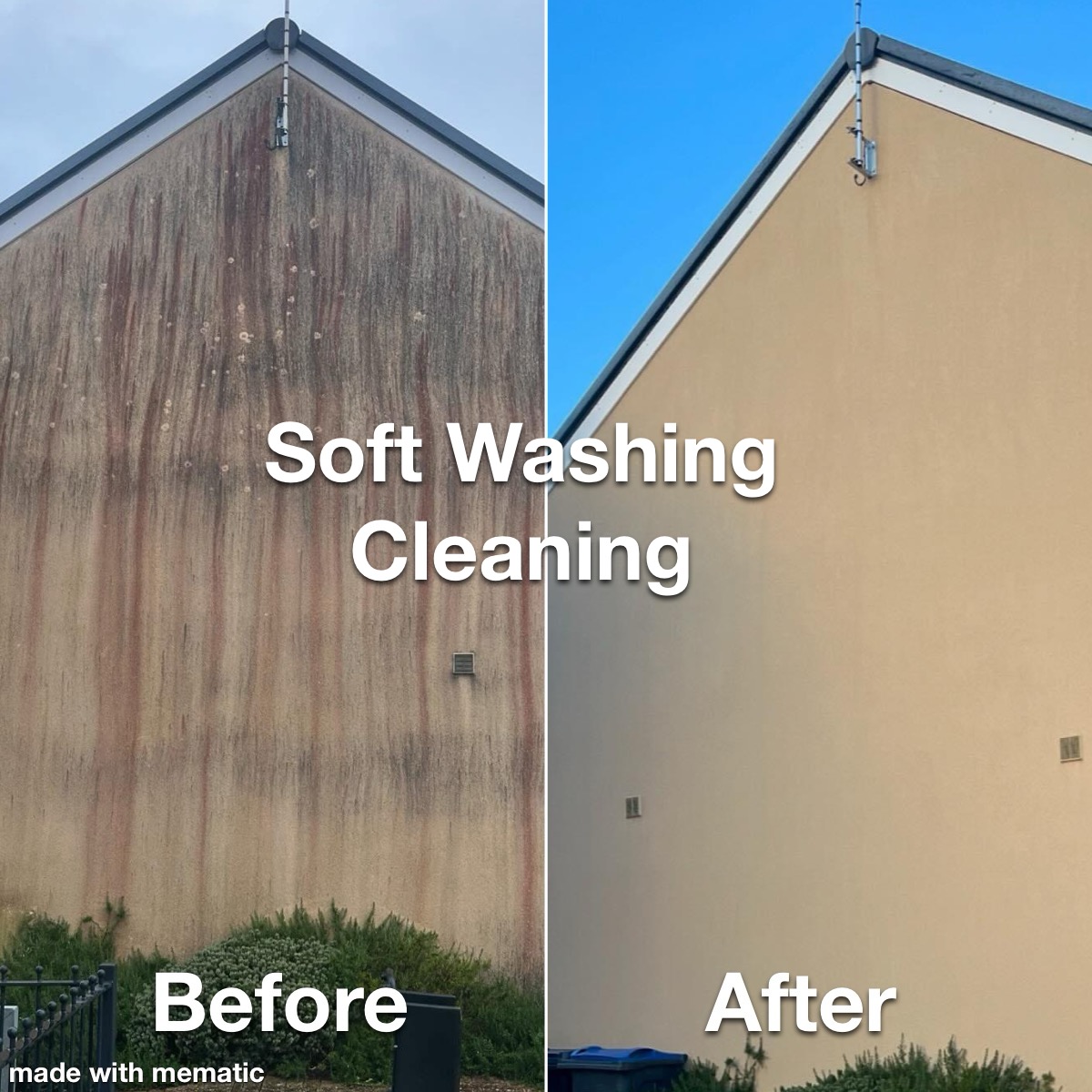


I Make Everything Quick and Easy for You....
Get in Touch
Give me a quick call or send me an email
Written Quote
Tell me what you need and I'll send you a free written quote to your phone or by email
Arrange a Date
If you're happy with the quote, we can arrange a date which suits you.
The Quote is a free no obligation quote.
No follow up calls, No pressure, you choose if you want to proceed.
We need your consent to load the translations
We use a third-party service to translate the website content that may collect data about your activity. Please review the details in the privacy policy and accept the service to view the translations.